
 Everything energy
Manufacturing
Reducing costs, improving efficiency and making
better energy decisions
A four minute read for manufacturers who want lower energy costs
Manufacturing energy costs can be managed
Machinery, ovens, chillers, compressors and lighting can run for long hours or across multiple shifts, which makes energy a material operating cost for manufacturers. It is also one of the few overheads a site can reduce without changing output.
What a manufacturer pays is shaped by contract terms, network tariffs, demand peaks, equipment performance and avoidable waste. Each of those can be tested, and most can be improved.
Manufacturing energy savings stories
Australian manufacturers that reviewed their energy position with Zembl.
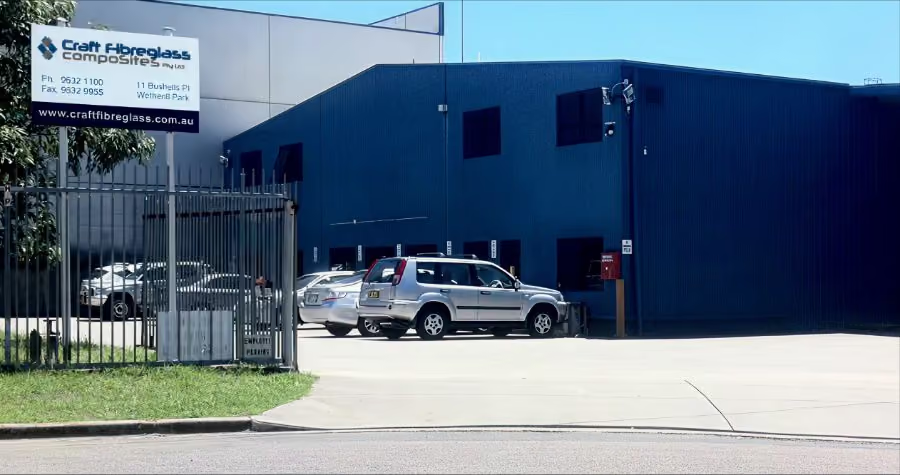
Craft Fibreglass
Specialist fibreglass manufacturer. Bill comparison and switch, with the process cut from hours to under 20 minutes.

WF Energy Controls
Energy control products manufacturer, operating since 1910.

Picnic Foods
Energy-intensive refrigeration and heating load. Competitive contract with long-term price stability.
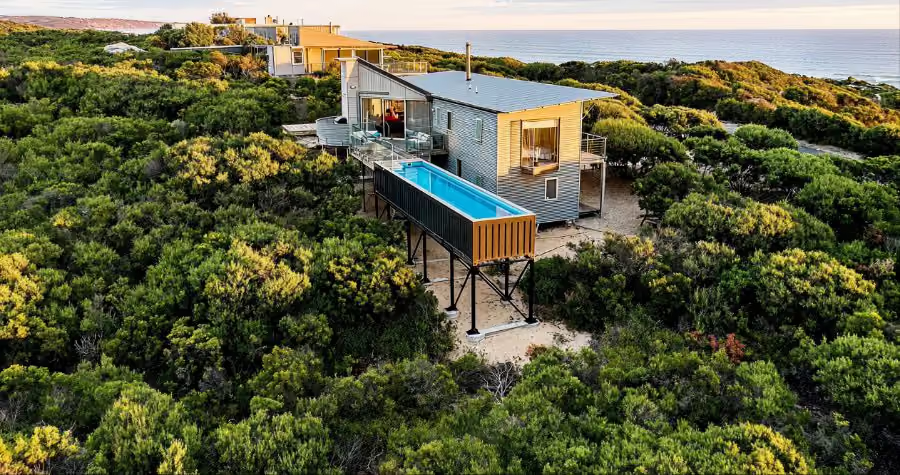
Shipping Container Pools
Fabricated pools from repurposed containers. Switched plans with zero interruption to operations.
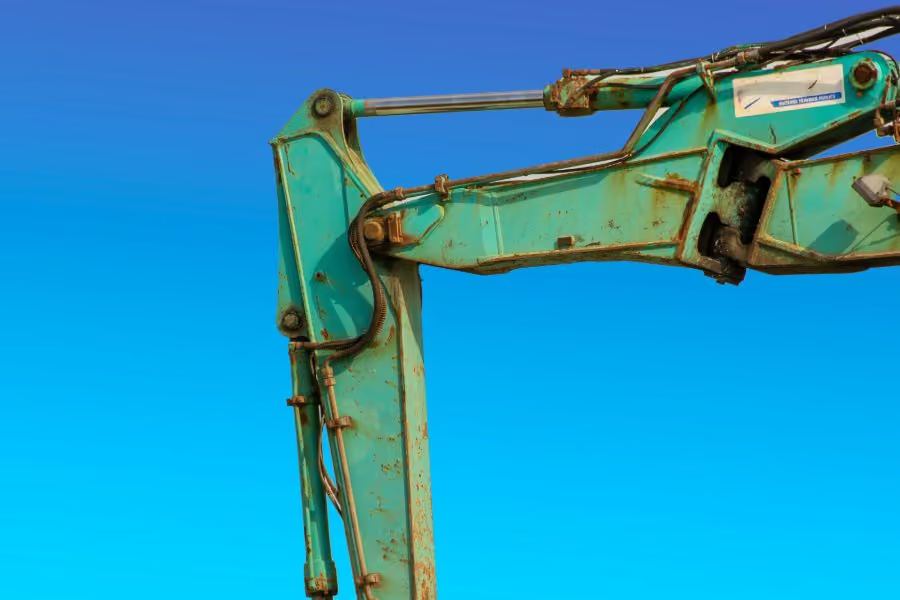
AT Hydraulics
Queensland hydraulics and industrial services business, bill comparison and switch.
^Based on Australian business customers that achieved energy savings using Zembl's commercial energy procurement services from 1 January 2025 to 31 August 2026 including GST. Savings are based on individual energy usage and available offers.
^Savings are estimates based on past usage and rate comparisons. Actual results may vary due to changes in usage, pricing, and other factors. Past savings are not a guarantee of future outcomes. Some participants may receive a small gift card for their time, and all feedback reflects their own experience.

Who is Zembl?
For more than 15 years, Zembl has helped Australian businesses buy and manage energy more effectively. For manufacturers with large or complex loads, our support extends beyond energy procurement to energy intelligence and specialist energy efficiency advice.
Where the energy goes
Five areas account for most manufacturing consumption, and most of the avoidable cost.
Heating and cooling
Process heat, ovens, furnaces, refrigeration, chillers and HVAC, often running continuously.
Production machinery
Motors, pumps, conveyors and presses form the core process load.
Lighting
High-bay factory, warehouse and yard lighting on long operating hours.
Compressed air
Leaks, excess pressure and oversized compressors waste substantial energy.
Material handling
Forklifts, cranes and automated handling add to base load and peak demand.
What pushes costs up
Timing matters as much as total consumption. Simultaneous start-ups create demand spikes, idle equipment lifts base load, and production concentrated in peak tariff periods costs more for the same output. Meter data shows which of these is happening at your site.
Smaller manufacturers
- Demand spikes from simultaneous equipment start-ups
- Compressed air leaks and oversized equipment
- Tariff complexity that makes true costs hard to predict
Large businesses
- Coordinating demand across multiple sites
- Power quality issues affecting sensitive equipment and uptime
- Procurement timing and exposure to market volatility
Common mistakes
Starting all major equipment at once and creating an avoidable peak
Running compressed air at more pressure than the process requires
Treating tariffs as fixed rather than checking the structure still fits
Allowing equipment to idle without a clear shutdown procedure
Manufacturing energy efficiency checklist
Work through the list to see where your site stands. Anything left unticked is worth a closer look.
AFind and remove the waste
BReview the equipment and the contract
The aim is not less energy at the expense of output. It is finding energy that does not contribute to production, quality or safety, then removing it.
Five ways to reduce energy costs
The bill reflects how energy is bought as well as how it is used. Which combination works depends on the site's load profile, equipment and production cycle.
Test the market
Large or complex loads attract different pricing across retailers. A specialist can run the process across a panel and compare the full commercial outcome, not one rate.
Reduce peak power use
Where operations allow, moving flexible loads out of peak periods lowers cost. Meter data shows when consumption rises and what is driving it.
Manage tariffs and demand charges
Flat, time-of-use, controlled-load and demand tariffs suit different operating patterns. Tariffs change, so fit is worth reviewing each year.
Investigate power factor correction
Motors and compressors can drag power factor down, which can lift network and capacity costs. Correction equipment reduces reactive demand.
Assess onsite renewable energy
Solar and storage stack up best when generation matches the site's demand profile and the site buys heavily during expensive periods.
Zembl's Network Tariff Review service
Zembl reviews each commercial customer's network tariff against their actual load profile every year, and identifies whether an alternative tariff would reduce network costs.
Any business can request a review. All we need is a signature on our Letter of Authority, and our energy experts can complete it with no obligation.
Identified savings across 87 large business sites
Average annual saving per site reviewed
Sites with a completed review over 7 months
What an annual Network Tariff Review can return
^Based on Zembl's Australian large business customers and represents annual potential energy savings through Zembl's annual Network Tariff Review service from 1 February 2026 to 30 August 2026 including GST. Savings vary based on individual site usage, network tariff structure, and distributor pricing.
Better decisions through energy intelligence
Energy intelligence means monitoring interval meter data rather than waiting for the monthly bill. It connects energy performance with shift patterns, production events and equipment behaviour.
Monitoring creates value when it leads to a decision. The outcome may be as simple as changing a start-up sequence or repairing an air leak. It may also support a larger call, such as changing tariff, installing power factor correction or investing in solar and storage.
What better visibility can reveal
- Unexpected increases in base load or overnight consumption
- Demand peaks linked to start-ups or shift changes
- Differences between sites or production periods
- Power factor issues and their timing
- Automation, tariff, solar or battery opportunities
How Zembl supports manufacturers
Energy procurement
We assess the market, manage the tender process and help manufacturers choose contract pricing and terms suited to their operations.
Energy intelligence
We analyse interval meter data to identify consumption patterns, demand events and efficiency opportunities across the operation.
Energy efficiency support
We connect manufacturers with specialist partners for audits, renewable energy assessments and power factor correction advice.
Unlock more value from your manufacturing energy
Your contract, network tariff, demand profile and equipment performance all affect what you pay. Looking at them together reveals opportunities a bill-only review misses.
Start a conversation with a Zembl Commercial Energy Consultant. We can review your energy position and help you build a practical plan.
Everything energy
This guide was published by Zembl in 2026
Big machines, smarter power. Talk to a Zembl Commercial Energy Consultant at zembl.com.au