


At a glance
These are the key energy checks that matter most for small businesses in 2026:
- Check your energy contract before it rolls over
- Understand when your business uses the most energy
- Eliminate after-hours energy waste
- Lock in sensible heating and cooling settings
- Upgrade lighting where operating hours are long
- Review ageing equipment before it becomes costly
- Standardise shutdown habits
- Review your energy contract regularly, not just at renewal
- Look past headline discounts
- Get expert help when decisions feel unclear
Use this list as a quick reference, then dive into the detail below.
Introduction
Energy markets remain unpredictable heading into 2026. Prices may ease at times, but volatility, network costs, and policy changes continue to affect what small businesses pay.
For most small businesses, the challenge is not knowing energy matters. It is finding the time to deal with it properly. The good news is that meaningful savings do not require major upgrades or ongoing effort. The biggest wins usually come from checking the right things at the right time and avoiding set-and-forget decisions that quietly increase costs.
These energy saving tips are designed for small businesses that want lower bills, fewer surprises, and more control in 2026.
Energy saving tips for small businesses in 2026
Quick wins you can action this month
These actions require little time or cost and often deliver immediate savings.
1. Check your energy contract before it rolls over
When to check: Review before your plan end date.
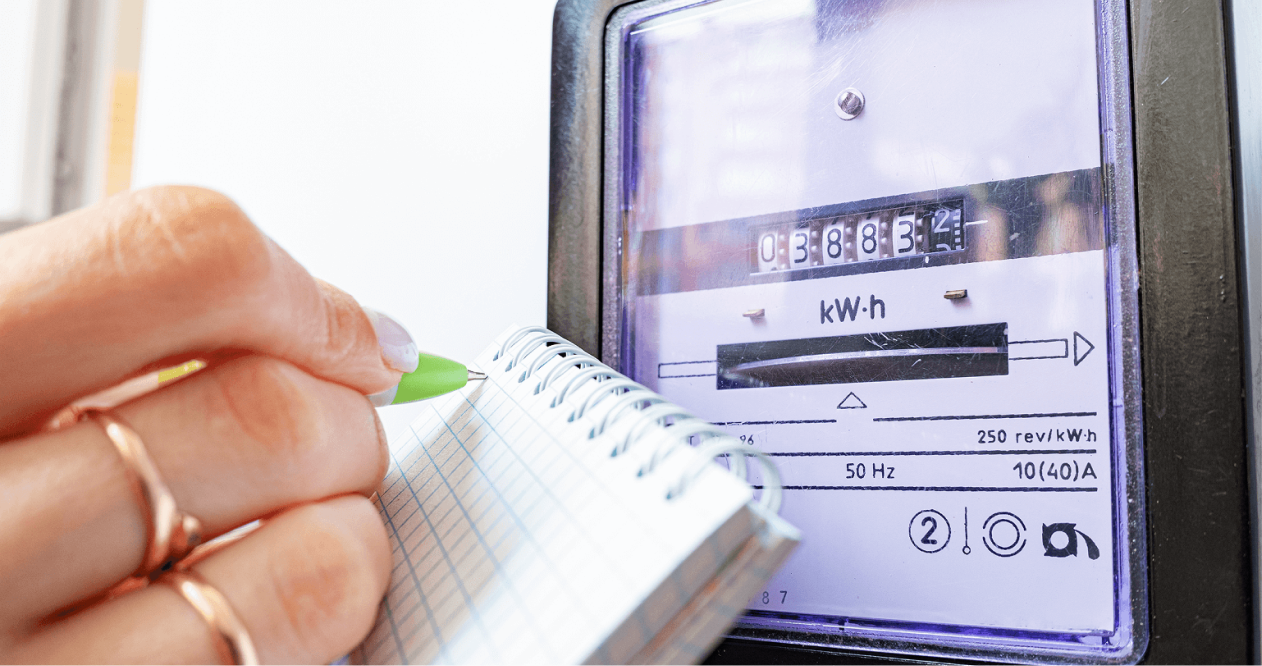
One of the most common ways small businesses overpay for energy is by letting their plan expire without checking it. When a plan ends, businesses can be rolled onto default rates, which are often more expensive than negotiated plan pricing.
As a guide, you should check your energy plan before it expires. This gives you time to understand how your current pricing works, confirm it still suits how your business operates, and plan ahead, without rushing decisions or creating unnecessary disruption.
2. Know when your business uses the most energy
When to check: Quarterly, using your most recent bills.
You do not need detailed data analysis to spot issues. Understanding roughly when your business uses the most energy helps explain why bills change.
If multiple systems run at the same time, such as air conditioning, kitchen equipment, or machinery, short spikes can increase costs. Checking bills quarterly and noting seasonal changes is usually enough for small businesses to stay aware.
.png)
3. Eliminate after-hours energy waste
When to check: Monthly, during a closing walk-through.
Energy used when no one is on site adds no value. Yet lighting, air conditioning, and equipment are often left running overnight or on weekends.
A simple monthly walk-through at closing time helps identify what can be switched off. Timers or basic automation can lock in savings without relying on memory.
Smarter habits that reduce bills over time
These steps help lock in savings and prevent costs creeping back over time.
4. Set and stick to sensible HVAC temperatures
When to check: At the start of each season.
Heating and cooling is often the largest energy cost for small businesses.
As a general guide, offices operate efficiently with cooling set around 23–24°C in summer and heating around 20–21°C in winter. Once set, these ranges should be locked or clearly communicated. Reviewing settings at the start of each season prevents gradual drift that increases costs.
5. Upgrade lighting when it makes sense
When to check: When fittings are five years or older, or operating hours are long.
LED lighting is one of the simplest energy efficiency upgrades available to small businesses. It uses less energy, produces less heat, and lasts longer than older lighting.
For businesses operating more than eight to ten hours per day, LED upgrades often pay for themselves within one to three years. Fittings that are five years or older are usually worth reviewing.
6. Check equipment age and performance
When to check: Annually, or when maintenance costs rise.
Equipment does not need to fail before it becomes inefficient. Older fridges, air conditioners, and appliances often use significantly more energy than newer models.
As a rule of thumb, equipment older than ten years should be reviewed. If energy use is rising or maintenance is becoming more frequent, planning a replacement can be cheaper than continuing to run inefficient assets.
7. Build simple shutdown habits
When to check: Once or twice a year, or when staff change.
Energy efficiency is not just about equipment. It is also about behaviour.
Clear shutdown routines help prevent waste at the end of each day. A short checklist reviewed once or twice a year is usually enough for small teams. Consistency matters more than perfection.
.png)
8. Review your energy contract periodically
When to check: When you receive a price change notice, or your circumstances change.
It is generally a good idea for businesses to periodically check their energy contracts, not just when a contract is ending.
Reviewing your contract when you receive a price change notification, move premises, change operating hours, or add new equipment helps confirm your current terms are still suitable. A review does not mean you need to change providers. It simply ensures your contract still meets your business needs and that you are not carrying unnecessary cost or risk.
Decisions where advice pays off
These are the points where getting support can save time, money, or both.
9. Be cautious of headline discounts
When to check: Whenever you are comparing offers.
Large discounts can look appealing but do not always translate into lower bills. The underlying rates and contract structure matter more than the percentage advertised.
When comparing offers, focus on the estimated total annual cost, not just the discount figure. This reduces the risk of false savings.
10. Get help when decisions start to feel unclear
When to check: When contracts, pricing, or timing stop making sense.
Small business owners do not need to be energy experts. But when contracts, pricing, or timing start to feel confusing, advice matters.
Independent energy experts can help review bills, explain options, and manage switching without pressure. This often saves time as well as money.
Why energy efficiency matters more in 2026
Rising network costs and ongoing market volatility mean inefficient energy use will continue to cost more over time. Small businesses that actively manage energy are better positioned to protect margins and avoid sudden bill shocks.
Next steps with Zembl
Take control without the complexity. If energy decisions are sitting on your to-do list, this is where the right support makes a difference.
Zembl helps small businesses take control of their energy costs without complexity. In a single 10-minute call, a Zembl Energy Expert compares your current bill with competitive options from a trusted panel of leading retailers. If savings are available and you are approved, Zembl switches you on the spot.
No lock-in contracts. No obligation. Just clarity and control over your energy costs in 2026.
.png)
.png)
.png)
.svg)

