


What’s changed
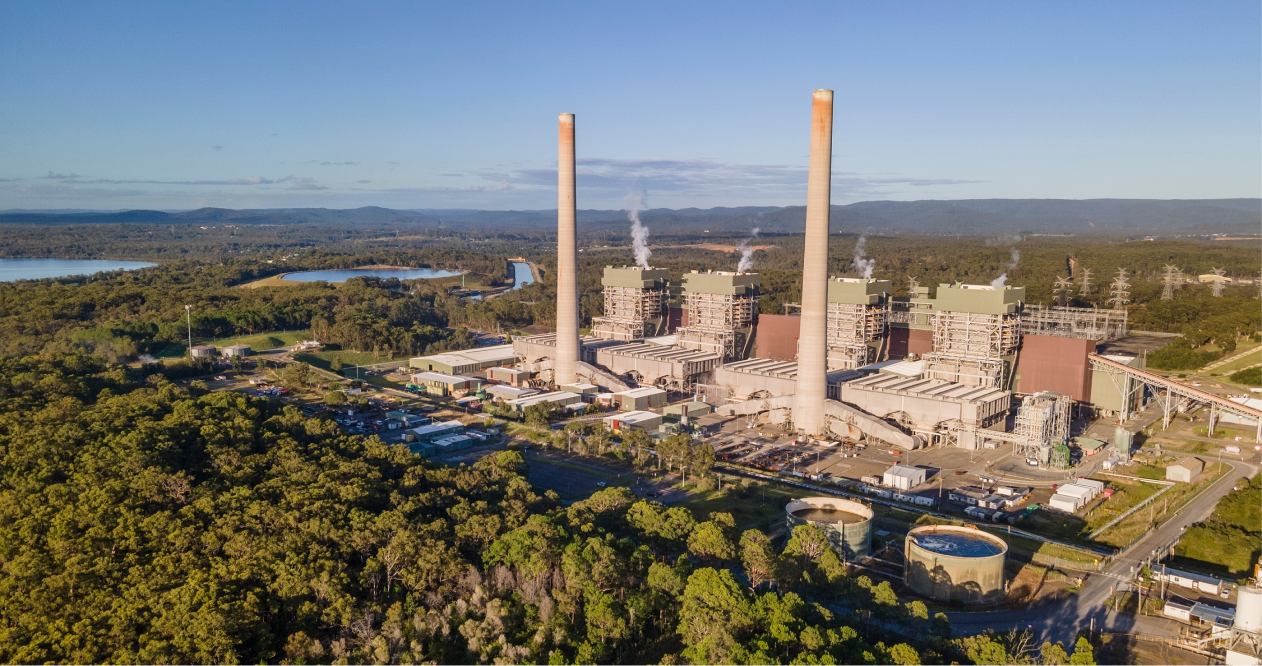
Eraring power station, Australia’s largest coal-fired generator located near Lake Macquarie in New South Wales, was previously scheduled to close in August 2027. That closure has now been deferred, with the plant set to remain operational until 30 April 2029.
Origin Energy has formally advised the Australian Energy Market Operator of the revised closure timeline. The extension is intended to support system reliability while new renewable generation, large-scale storage, and transmission infrastructure continues to be developed.
Why Eraring is staying open
The decision to keep Eraring operating for longer is primarily about managing near-term supply risk.
As coal-fired generation exits the system, NSW is becoming increasingly reliant on renewable energy backed by storage and transmission upgrades. While significant investment is underway, delays to major infrastructure projects and the time required to deliver firming capacity have raised concerns about supply shortfalls during peak demand periods.
Keeping Eraring online provides a buffer. It helps maintain reliability during extreme weather events, supports grid stability when renewable output is low, and buys time for the energy transition to progress in a more orderly way.
What this means for the NSW energy market
In the short term, having more generation available generally reduces pressure on wholesale prices. With Eraring remaining in the system, the market has more dispatchable supply to draw on when demand increases or variable renewable generation falls.
This does not mean prices will move in one direction or remain stable. Wholesale electricity markets remain sensitive to weather conditions, plant outages, fuel availability, and policy developments. However, delaying the closure of a generator of this scale removes a significant near-term risk that had previously been factored into forward market pricing.
For businesses, this shift points to a slightly more stable supply outlook over the next few years than scenarios that assumed Eraring would exit earlier.
How this affects different types of businesses
Small businesses, typically those consuming under 100,000 kWh of electricity per year or spending less than around $3,000 per month, are generally less exposed to wholesale market movements because they are usually on standard retail plans. These plans smooth pricing over time, rather than passing through short-term wholesale price changes directly.
Commercial and industrial businesses, usually those consuming more than 100,000 kWh per year or spending over $3,000 per month on electricity, are more directly affected by wholesale market assumptions. Fixed-term contract prices for these businesses reflect expectations around supply, reliability, and risk. A delayed closure timeline for a major generator can materially influence forward pricing and contract structures.
In practical terms, commercial and industrial businesses with contracts expiring in 2027 or 2028 may see a different pricing environment than would have existed under an earlier closure scenario. Businesses on short-term extensions or rolling arrangements should factor this change into timing and risk decisions.
.png)
A reminder on volatility
While the extension improves near-term confidence around supply, it does not remove longer-term uncertainty. Coal-fired generation will continue to retire over time, and the pace of renewable, storage, and transmission delivery remains critical.
Wholesale markets can reprice quickly as conditions change. Weather events, outages, fuel market shifts, or policy signals can all alter pricing dynamics with little notice.
The key takeaway is not that prices are fixed, but that the market’s risk profile has shifted for now.
How Zembl helps
Zembl helps businesses interpret market developments like the Eraring extension and understand what they mean in practice.
We look at:
- Your current contract position and expiry dates
- How changes in NSW supply assumptions translate to pricing options
- The trade-offs between locking in certainty and maintaining flexibility
- Whether current market conditions support action or patience
When the market shifts, informed decisions matter. A conversation with a Zembl Energy Expert helps businesses assess the impact and decide on the right next step.
.png)
.png)
.png)

.png)
.svg)

