


What is a small or mid‑tier high energy usage business
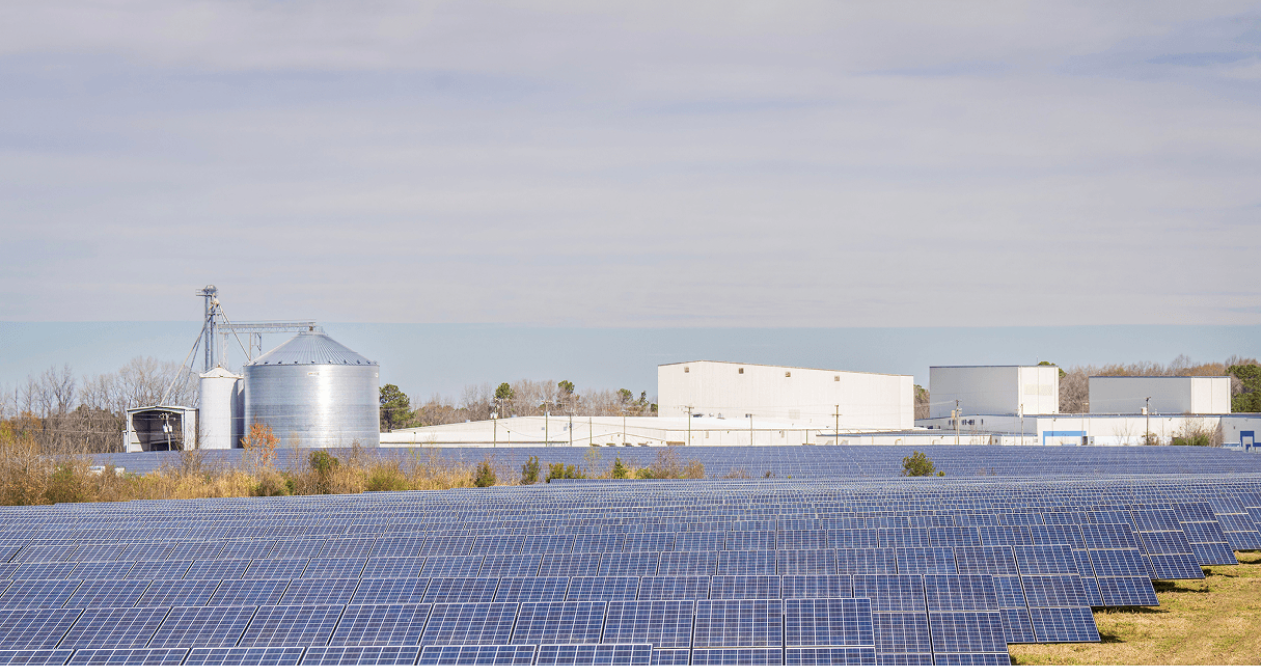
Small and mid‑tier high users consume more energy than a typical business but do not need complex procurement structures. Common examples:
- Multi‑site retailers or hospitality groups with refrigeration and long trading hours.
- Food production and processing with chillers, ovens, or commercial dishwashers.
- Workshops with compressors, pumps, welders, and other motor loads.
- Sites with large HVAC needs, like gyms and clinics.
Typical profile: Quarterly bills, time‑of‑use tariffs, and a focus on quick savings that do not disrupt trading.
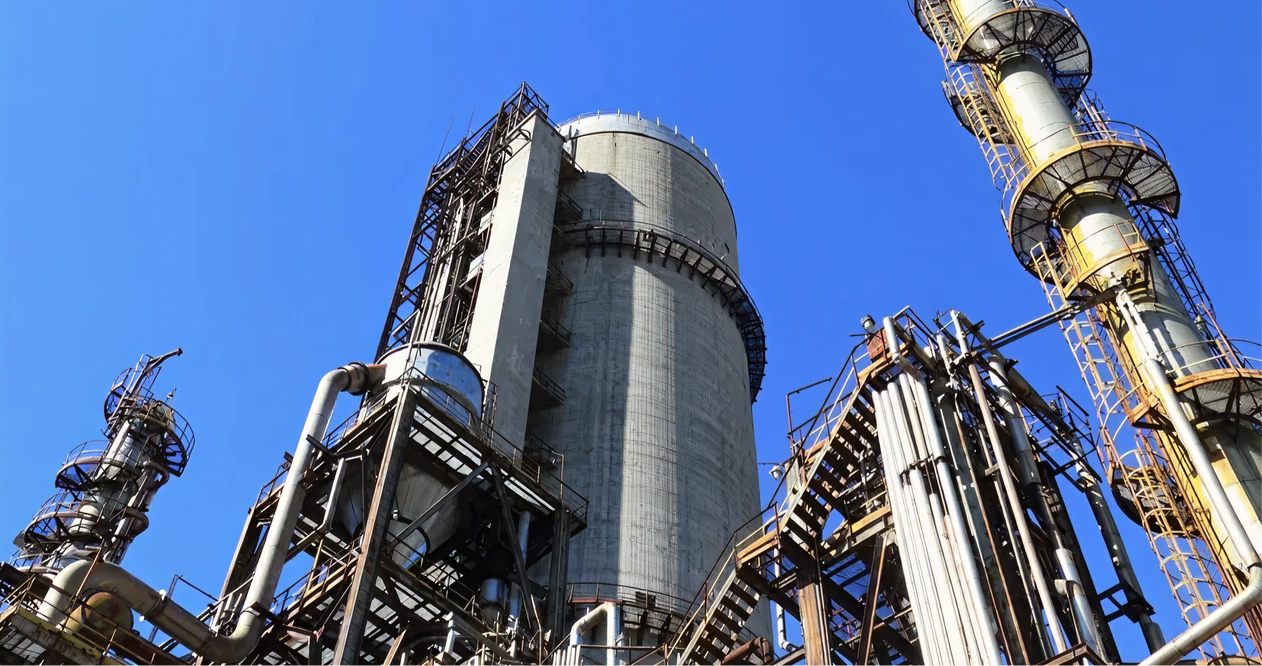
What is a large commercial and industrial high‑load operator
Larger users draw sustained load or sharp peaks across one or more sites. They often need tailored contract terms and risk management. Common examples:
- Manufacturing and assembly lines, cold‑chain logistics, and distribution centres.
- Large offices, education, health, and civic sites with central plant and long runtime.
- Multi‑site portfolios with interval metering and demand charges.
Typical profile: Monthly bills, interval data, and procurement via tender to secure competitive rates over 1 to 5‑year terms.
.png)
Challenges for small and mid‑tier high users
- Volatile prices: Budget strain when market rates move.
- Peak demand costs: Afternoon peaks drive higher bills on time‑of‑use and demand tariffs.
- Operational waste: Setpoints, schedules, and equipment condition can add hidden load.
- Limited time: Owners need quick answers without admin drag.
How we help: Fast bill comparison, simple plan structures, and practical site tweaks that trim usage without disrupting service.
Challenges for large commercial and industrial operators
- Market exposure and timing: Getting procurement windows right matters to cost and risk.
- Complex load shapes: Demand spikes across sites and seasons can lift charges.
- Contract complexity: Terms, pass‑throughs, and network elements need careful review.
- Change management: Coordinating approvals and data across multiple stakeholders.
How we help: Obligation‑free tenders across our retailer panel, data‑led offer analysis, and a clear recommendation that fits load, risk appetite, and contract goals. We manage the process end to end so decisions move quickly.
Two recent success stories
Compass Catholic Community
Education site in Adelaide. Zembl secured $26,000 in annual savings and improved cost stability through a tailored procurement process.
WF Energy Controls
Engineering and services business. Zembl’s procurement delivered 26% lower energy costs, with about $28,000 saved and strong service feedback.
FAQs for high energy usage businesses
What information do I need to get started?
Small and mid‑tier users: your latest electricity bill. Large operators: recent interval data, current contract details, and site list.
How long does the process take?
For smaller sites, comparisons are fast. For larger users, tenders usually complete within a few business days once data is in.
Will operations be disrupted?
No. Pricing and procurement happen in the background. Any metering checks or efficiency work are planned to avoid downtime.
Do you offer sustainable options?
Where available, we present carbon neutral or renewable options alongside standard offers, with clear terms and costs.
Talk to a Zembl energy expert
Whether you are a small or mid‑tier high user or a large operator, we will align pricing, advice, and next steps to your load and goals. Share your latest bill or interval data to get started.
.png)
.png)
.png)
.png)
.svg)

