

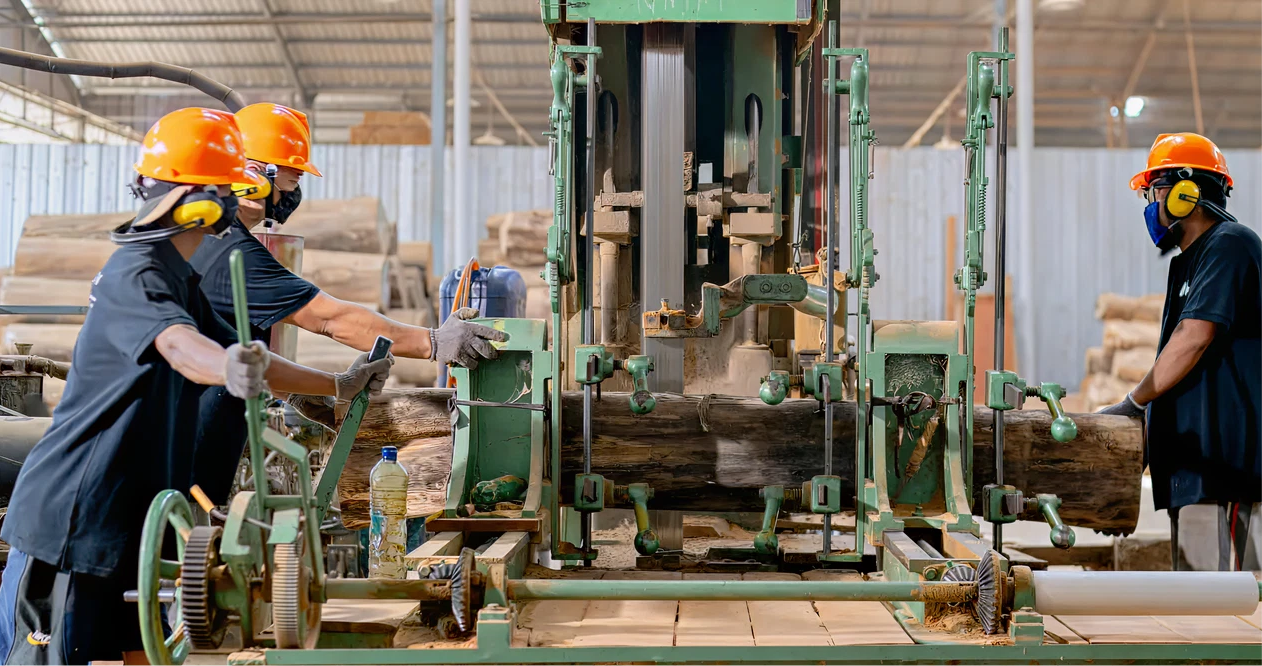

What is a small and medium manufacturer
Small manufacturing businesses rely on machinery, refrigeration, and lighting. Zembl helps small manufacturing operations secure competitive rates and avoid rolling onto expensive tariffs.
Common examples
- Food production
- Small fabrication
- Light manufacturing
- Packaging plants
- Workshop operators
Typical profile
Quarterly bills, time‑of‑use tariffs, and quick savings that do not disrupt trading or service quality.
What is a large and industrial manufacturer
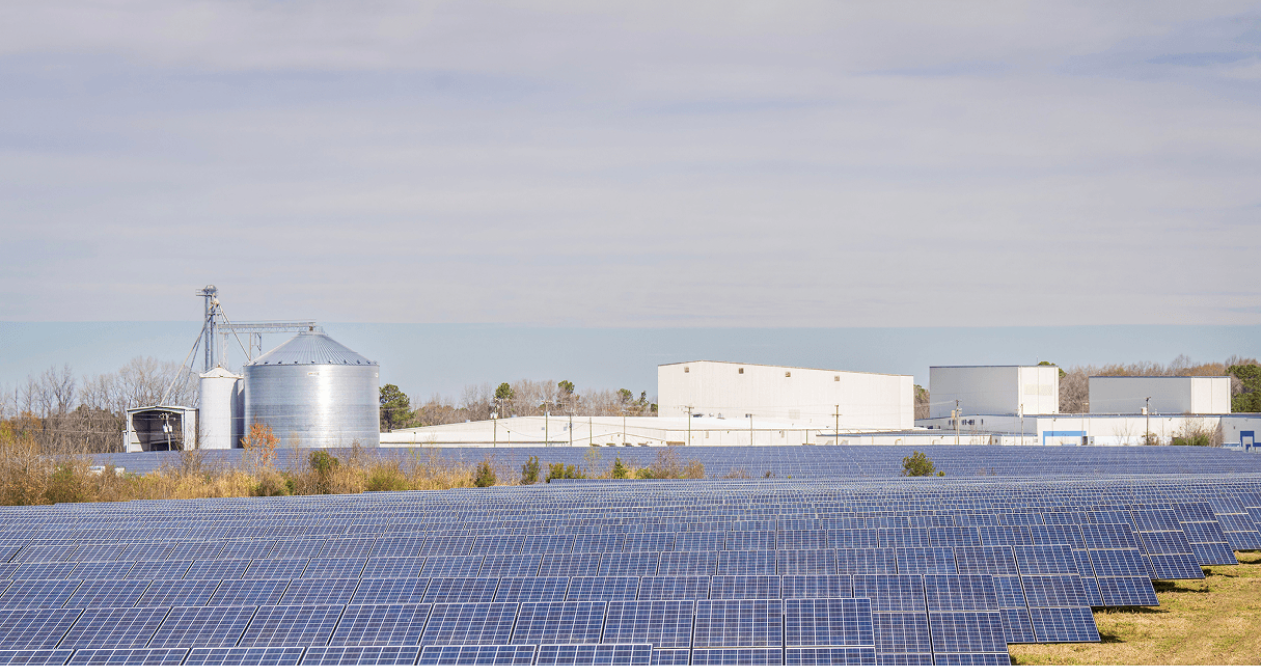
Large manufacturers face heavy loads, peak demand charges, and multi‑site complexity. Zembl provides procurement strategy and tariff optimisation.
Common examples
- National manufacturers
- Cold storage operators
- Food processing plants
- Industrial fabrication
- Multi‑site production group
Typical profile
Monthly billing, interval metering, demand charges across sites, and procurement via tender to secure competitive rates over 1 to 5‑year terms aligned to risk appetite and contract goals.
.png)
Challenges for small businesses
- High machinery loads
- Refrigeration needs
- Peak seasonal usage
- Complex tariffs
- Limited time to review plans
Energy bills, Energy insights, Energy solutions: we compare and secure competitive rates, analyse usage, and help implement efficiency actions.
Challenges for large businesses
- Multi‑site load management
- Peak demand costs
- Heavy HVAC and machinery usage
- Contract alignment
- Limited operational visibility
Procurement strategy and usage insights tailored to multi‑floor portfolios, supported by our Energy bills, Energy insights, and Energy solutions services.
Two recent success stories
Cutting $2,200 from Craft Fibreglass’s electricity bill
Small manufacturer that reduced annual electricity costs by $2,200 after a clear plan comparison and a competitive offer that suited production hours.
Sushi‑Pro Foods saves $27,000 on energy costs
Food producer that lowered annual energy spend by $27,000 through Zembl’s procurement support and a better fit offer.
FAQs for manufacturing
Where is energy used most in manufacturing operations?
Energy is mainly used for machinery, processing equipment, refrigeration, heating and cooling systems, and lighting. Many facilities run equipment for long hours, which increases overall consumption and demand costs.
Why do manufacturing businesses face high peak demand charges?
Peak charges occur when multiple high‑load machines, HVAC systems, or processing equipment operate at the same time. These spikes increase demand tariffs, even if total energy usage is stable.
How can small and medium manufacturers reduce their energy costs?
Small and medium manufacturers can reduce costs by comparing rates regularly, upgrading to efficient equipment, managing when machinery operates, reviewing tariffs, improving insulation, and monitoring usage to identify high‑load periods.
What drives the highest energy usage in large industrial manufacturing?
Large operators use significant energy for heavy machinery, refrigeration, compressed air systems, HVAC, process heating, and continuous production lines. Running multiple high‑draw systems concurrently increases both consumption and demand charges.
How can manufacturers improve energy efficiency across multiple sites?
Manufacturers can align contract end dates, benchmark usage across facilities, install sub‑metering, review tariffs, upgrade older machinery, and use energy insights to understand production‑related peaks. This helps reduce both operating costs and grid demand.
Talk to a Zembl energy expert
We help manufacturers act with confidence. Share your latest bill or, for multi‑site operations, recent interval data and a site list. We will compare options, present clear recommendations that fit your load profile and production schedule, and coordinate the change once approved.
.png)
.png)
.png)

.png)
.svg)

