


Introduction
For many Australian households and small businesses, the question comes up again and again: is gas or electricity cheaper? With rising energy prices, new technologies, and changing usage patterns, the answer is no longer as simple as it once was.
Historically, gas was often cheaper for heating and cooking, while electricity powered lighting and appliances. Today, that balance is shifting. Understanding which is cheaper gas or electric depends on how energy is used, what appliances are installed, and how tariffs are structured.
This article explains is gas or electricity cheaper, looks at heating costs, compares long-term expenses, and outlines practical steps to reduce energy bills while choosing the right energy source.
Is gas or electric cheaper?
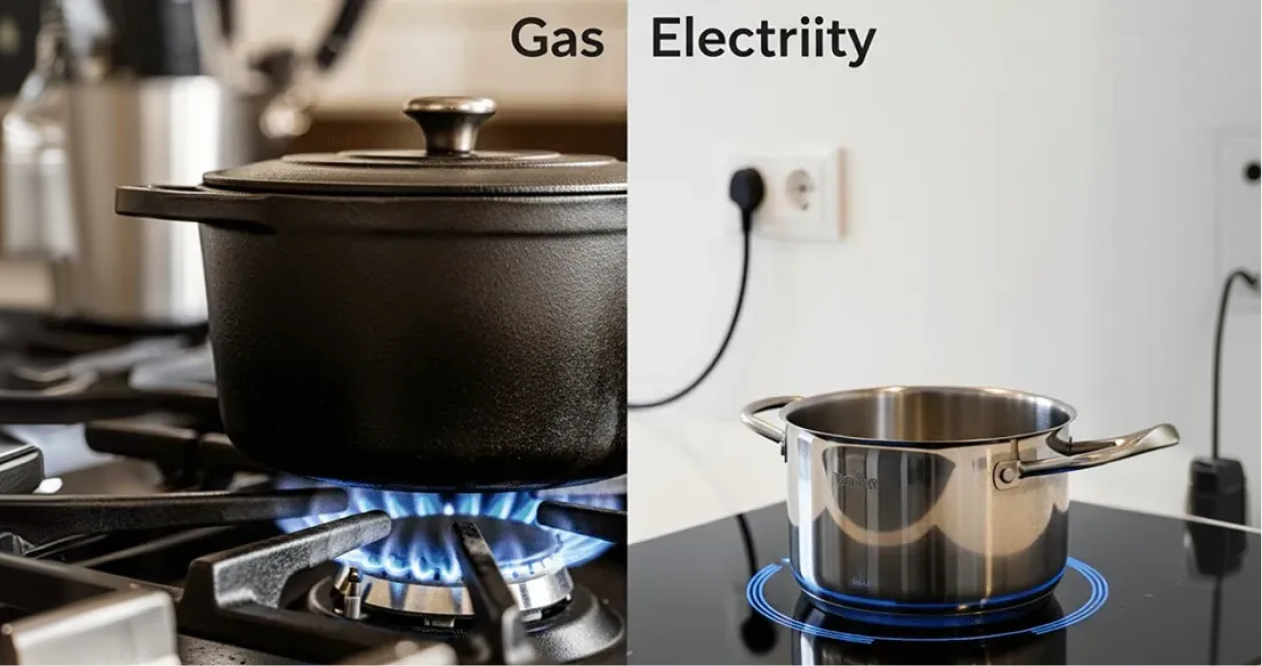
Whether gas or electricity is cheaper depends on usage patterns rather than headline rates alone. Gas typically has a lower unit price per megajoule, while electricity costs more per kilowatt-hour but is often used more efficiently.
For households using gas primarily for cooking, costs are usually modest. Where gas is used for heating and hot water, it can be cost-effective during winter, though supply charges add to overall bills.
Electricity, by contrast, is more versatile. Modern electric appliances, particularly heat pumps, can significantly reduce running costs, changing the traditional cost comparison.
Is it cheaper to heat with electric or gas
When comparing whether electric or gas heating is cheaper, appliance efficiency matters just as much as the price of energy. Gas heaters convert most fuel directly into heat, but older models are far less efficient than modern alternatives.
Electric resistance heaters are usually more expensive to run. However, reverse-cycle air conditioners can produce three to four units of heat for every unit of electricity used, making them cheaper than gas in many homes.
For small businesses such as offices or retail stores, electric heating is often cheaper and easier to control, particularly where heating is needed intermittently.
How to compare gas and electricity costs
To compare costs accurately, look beyond headline rates. Include daily supply charges, appliance efficiency, and how often systems are used.
For example, a home using gas heating daily may save on usage charges but still pay a supply charge year-round. An all-electric home avoids gas supply charges entirely.
Small businesses should also consider operating hours. Equipment that runs all day magnifies even small differences in energy efficiency.
.png)
Factors affecting energy costs in Australia
Several factors influence whether or not gas is more expensive than electricity at any given time.
Wholesale energy prices, network charges, and environmental schemes all affect retail costs. Seasonal demand, particularly during winter, also plays a role.
Location matters too. Different states have different network costs and access to gas infrastructure, influencing overall pricing.
Pros and cons of gas and electricity
Gas offers strong performance for cooking and space heating, and many people prefer gas cooktops for responsiveness.
However, gas requires a permanent connection and ongoing supply charges. It also produces direct emissions.
Electricity is increasingly flexible. It supports solar generation, battery storage, and high-efficiency appliances, though electricity prices can be volatile.
Understanding tariffs for gas and electricity
Gas tariffs typically include a daily supply charge and a usage charge per megajoule. Electricity tariffs may be flat-rate or time-of-use.
Time-of-use tariffs can increase costs if energy is used during peak periods, but they also offer savings opportunities for households that shift usage.
Understanding your tariff structure is critical when deciding which is cheaper for your situation.
Tips to reduce your energy costs
Lowering energy costs does not always require switching fuels.
Improving insulation, sealing drafts, and upgrading appliances can reduce heating demand significantly.
For small businesses, scheduling equipment use and maintaining systems regularly can cut costs without affecting operations.
The environmental impact of gas and electricity
Gas produces fewer emissions than coal-based electricity, but it is still a fossil fuel.
Electricity can be renewable when sourced from solar or wind. As Australia’s grid becomes cleaner, electric appliances continue to improve their environmental performance.
For environmentally conscious households and businesses, electricity paired with solar offers a clear advantage.
.png)
Choosing the right energy source for your home
Choosing between gas and electricity depends on budget, lifestyle, and future plans.
Homes planning to install solar or electrify appliances may benefit from moving away from gas. Others may retain gas for specific uses while transitioning gradually.
Considerations for small businesses
Small businesses should also consider reliability, scalability, and long-term operating costs when making energy decisions. Choices made today can affect operating costs, expansion flexibility, and exposure to future price changes. Looking beyond upfront savings helps avoid locking into systems that become expensive or restrictive over time.
How Zembl can help
Choosing between gas and electricity affects long-term energy costs. The right choice depends on how energy is used, not just headline prices.
Zembl businesses understand their energy usage, compare options, and plan smarter energy decisions. Whether you are reviewing bills or considering a switch, Zembl makes energy simpler and more transparent.
FAQs
Which appliances are cheaper to run on gas vs electricity?
Gas is often cheaper for cooking and water heating, while efficient electric appliances can be cheaper for space heating.
Are there any government incentives for choosing one energy source over another?
Rebates often support electric heat pumps, solar systems, and efficient appliances rather than gas installations.
How does the efficiency of gas and electric appliances compare?
Electric heat pumps are far more efficient than traditional gas heaters, producing more heat per unit of energy.
What are the long-term costs of using gas vs electricity?
Gas includes ongoing supply charges, while electricity costs depend more heavily on usage and tariff structure.
How do installation costs for gas and electricity systems compare?
Gas systems can be cheaper upfront in some cases, but electric systems often have lower long-term operating costs.
Can solar energy affect the cost-effectiveness of gas and electricity?
Yes. Solar significantly reduces electricity costs, making electric appliances more economical over time.
What are the environmental benefits of choosing gas or electricity?
Electricity offers lower emissions when paired with renewables, while gas produces fewer emissions than coal-based power.
How can I switch from gas to electricity or vice versa?
Switching usually involves appliance upgrades and plan changes. Professional advice helps avoid unnecessary costs.

.png)
.png)
.png)

.png)
.svg)

