

Introduction
Many Australians receive an energy bill, glance at the total, and move on. But understanding how an energy bill is calculated is one of the simplest ways to take control of your household or small business costs.
Whether you are asking how is my energy bill calculated, how are energy bills calculated, or specifically how to calculate the gas bill, the process follows a clear structure. Once you understand the components, you can check your bills for accuracy, compare plans properly, and make smarter decisions about usage.
This article explains how energy bills are calculated in Australia, step by step. It covers electricity and gas, different meter types, tariffs, and practical ways to reduce your bill without guesswork.
What are the main components of my energy bill?
Every energy bill in Australia is built from a few core components. While the layout may differ between retailers, the underlying charges are consistent.
The first component is the supply charge. This is a fixed daily cost for being connected to the electricity or gas network. You pay this charge even if you use no energy at all.
The second component is the usage charge. This is based on how much electricity or gas you consume over the billing period. Usage is measured in kilowatt-hours (kWh) for electricity and megajoules (MJ) for gas.
Additional charges can include controlled load tariffs, time-of-use rates, or demand charges for some small businesses. Taxes and government charges, such as GST, are applied at the end.
How to calculate my energy bill
If you want to understand how to calculate energy bill totals, the process is straightforward once you break it down.
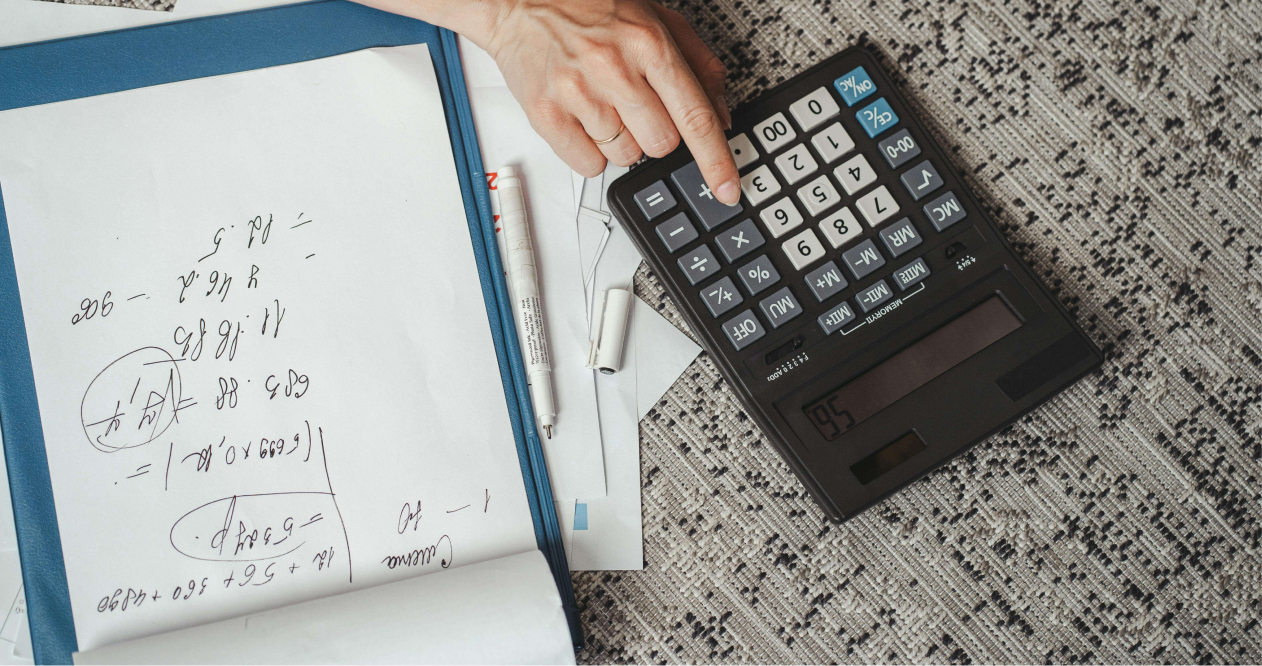
Start by identifying your daily supply charge and multiplying it by the number of days in the billing period. For example, a $1.10 daily supply charge over 90 days equals $99.
Next, calculate your usage charge. Multiply the number of kWh or MJ used by the applicable rate. If you used 1,200 kWh at $0.28 per kWh, your usage charge would be $336.
Add the supply and usage charges together, then include GST. This method applies whether you are calculating an electricity bill or working out how to calculate the gas bill.
.png)
How are supply and usage charges calculated on my energy bill?
Supply charges are set as a daily rate and are not affected by how much energy you use. Networks and retailers apply this charge to cover infrastructure, maintenance, and administration.
Usage charges vary depending on your tariff. Flat-rate tariffs apply one price per kWh or MJ, while time-of-use tariffs apply different rates depending on when energy is used.
For businesses operating long hours, usage charges usually make up the majority of the bill. For low-usage households, supply charges can represent a surprisingly large portion of total costs.
What is the difference between electricity and gas meters?
Electricity meters measure consumption in kilowatt-hours. Traditional accumulation meters record total usage, while smart meters record when energy is used.
Gas meters measure volume, which is then converted to megajoules using a standard formula. In simple terms, the formula is: gas usage (m³) × heating value × pressure factor ÷ 3.6. This means gas bills often include additional conversion and heating value factors that can vary slightly by location and time.
Smart meters provide more detailed data and enable time-of-use tariffs. Basic meters rely on estimated reads if access is unavailable, which can affect bill accuracy.
How do peak, off-peak, and shoulder rates affect my energy bill?
Time-of-use tariffs divide the day into peak, shoulder, and off-peak periods. Peak rates are the most expensive, usually during mornings and evenings. Off-peak rates are cheaper and typically apply overnight.
Households with electric hot water systems or EV charging can benefit from off-peak usage. Businesses operating during peak hours may see higher bills under time-of-use pricing.
Understanding when you use energy helps explain how your energy bill is calculated under these tariffs and whether a flat rate or time-of-use plan suits you better.
What should I do if my energy bill seems incorrect?
If your bill looks unusually high, start by comparing it to previous periods. Check the meter read type, actual or estimated, and confirm the number of billing days.
Look for changes in usage patterns, seasonal impacts, or rate increases. If something still does not add up, contact your retailer and request a review.
Keeping your own meter readings or using smart meter data can help resolve disputes faster.
How can I reduce my energy bill effectively?
Reducing your energy bill starts with understanding where energy is being used. Heating, cooling, and hot water typically account for the largest share of household usage.
Simple actions like adjusting thermostat settings, switching to LED lighting, and turning equipment off at the wall can reduce usage without affecting comfort.
For businesses, reviewing operating hours, avoiding unnecessary after-hours usage, and checking plan suitability often delivers the biggest gains.
.png)
How often should I read my energy meter?
If you have a basic meter, checking it monthly helps you understand usage trends and avoid bill shock.
Smart meter users can access usage data daily or even hourly. Reviewing this data monthly is usually sufficient to spot unusual spikes.
Regular monitoring makes it easier to understand how your energy bill calculated over time.
What are time-of-use tariffs and how do they work?
Time-of-use tariffs charge different rates depending on when energy is consumed. These tariffs rely on smart meters to track usage by time period.
They can suit households with flexible usage patterns, such as those who can shift appliance use to off-peak periods.
For businesses with fixed operating hours, time-of-use tariffs can increase costs if most usage occurs during peak times.
How can I compare energy plans to find the best savings?
Comparing energy plans requires looking beyond headline discounts. Focus on total annual cost based on your actual usage.
Use your last 12 months of bills to understand how supply charges, usage rates, and tariff structures affect your total cost.
Understanding how energy bills are calculated ensures comparisons are based on outcomes, not marketing.
How Zembl can help
Zembl helps businesses understand how their energy bills are calculated and whether their current plan still makes sense. Zembl offers fast, clear bill comparisons that cut through complexity and focus on real outcomes. Rather than guessing or relying on discounts, Zembl helps you understand your usage, compare plans properly, and stay in control of your energy costs.
FAQs
Can I get a discount for paying my energy bill on time?
Some plans offer pay-on-time discounts, but these are becoming less common. Always compare the total cost, not just the discount.
What are some common mistakes in energy bill calculations?
Common mistakes include ignoring supply charges, misunderstanding time-of-use rates, and relying on estimated reads.
How do controlled load tariffs impact my energy bill?
Controlled load tariffs apply to specific appliances like electric hot water systems. They often offer lower rates during off-peak periods.
What should I look for when switching energy providers?
Look at total annual cost, contract terms, and tariff suitability. Avoid focusing only on discounts.
Are there any tools to help me track my energy usage?
Smart meter apps, online portals, and energy monitoring devices can all help track usage.
How can I ensure my energy bill is accurate?
Check meter reads, billing periods, and rates. Keep your own records where possible.
What are the benefits of using a smart meter?
Smart meters provide detailed usage data, enable time-of-use tariffs, and reduce estimated bills.
How does seasonal usage affect my energy bill?
Bills usually rise in summer and winter due to heating and cooling. Seasonal changes are a major factor in usage variation.
.png)
.png)
.png)
.png)
.svg)

