

Quick summary
An MIRN number is the identifier for your gas connection point, not the reading on the meter. It is the reference used in gas market systems so the right property is billed, read, and transferred to the right retailer. You usually find it on your gas bill, and some networks also label it on or near the meter.
Key takeaways
- MIRN meaning: It is the unique ID for your gas supply point, not your usage.
- An MIRN is tied to the address and gas installation, not the retailer you buy gas from.
- You need the MIRN when you set up an account, switch retailers, or resolve a billing mismatch.
- The MIRN is different from the meter serial number printed on the meter.
- In New South Wales, your gas supply point identifier is often called a Delivery Point Identifier.
What does MIRN mean?
MIRN stands for Meter Installation Registration Number. It is the label the gas market uses to point to one specific gas supply point, so everyone is talking about the same connection.
Think of it like a tracking number for your gas connection. The MIRN does not tell you how much gas you used, it tells the market which site the gas is being delivered to.
What is an MIRN number used for?
Your gas distributor and gas retailer use the MIRN to match up data and actions to the correct site.
Common uses include:
- Creating or transferring a gas retail account to the correct supply point.
- Scheduling and validating meter reads against the right installation.
- Producing bills that match the correct site and meter.
- Investigating issues like wrong address billing, stuck transfers, or duplicate accounts.
A practical example: if two shops share a meter room, a street address alone can be ambiguous. The MIRN is the “this exact connection” reference that avoids mix-ups.
Is the MIRN the same as the gas meter number?
No. The MIRN is the identifier for the installation or supply point, while the meter serial number identifies the physical meter itself.
Some bills show both. The MIRN is permanently allocated to the property address and it can appear on your bill with the meter number.
Where do I find my MIRN number?
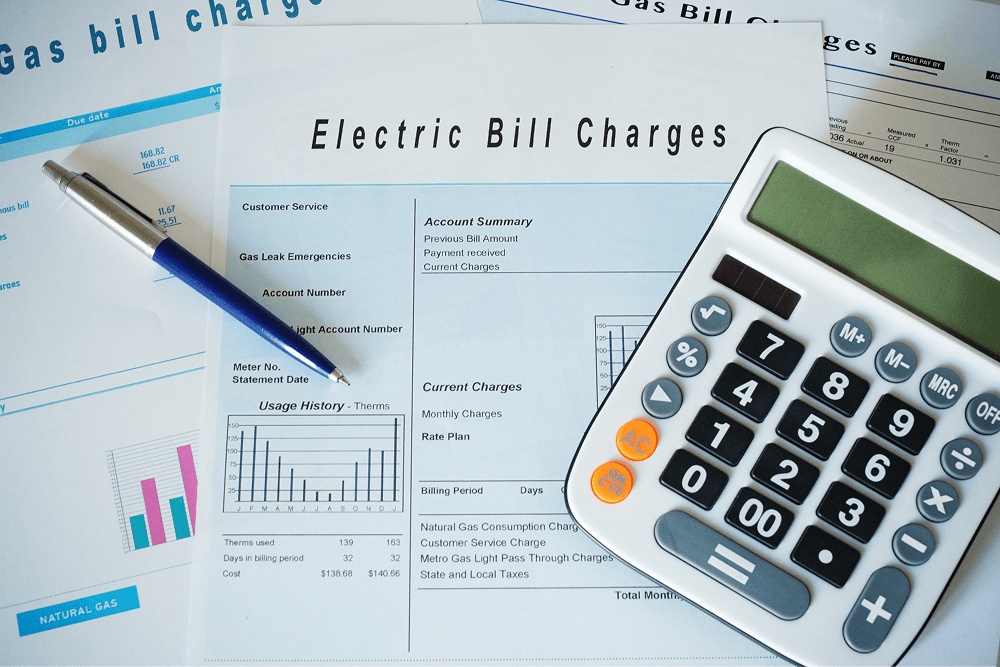
The most reliable place is your gas bill. Many retailers show it near the site details or meter information section.
If you do not have a bill, check for a label near the meter, or call your gas retailer or distributor with your address and meter details.
In Victoria, your gas retailer or fitter will use your MIRN to identify your installation, and it appears on the bill.
Why does my MIRN often start with “5” and look like a long number?
In some market formats, MIRNs are numeric and structured. The first digit identifies the meter type as gas, with later digits used for state and distributor codes plus a unique sequence.
What is the difference between an MIRN and a DPI in New South Wales?
In New South Wales, you may see the gas supply point identifier referred to as a Delivery Point Identifier instead of MIRN. New South Wales commonly uses a Delivery Point Identifier (DPI) term for the gas meter identifier.
When will you actually need the MIRN?
You typically need it when something changes, or when something is wrong.
- Moving into a new premises and setting up the gas account.
- Switching gas retailers, especially for multi-site businesses.
- Fixing a bill that is clearly for the wrong meter or wrong address.
- Requesting historical usage or validating meter read dates.
Incorrect NMI or MIRN details are a common reason transfers get delayed.
How is an MIRN different from an electricity NMI?
They play the same role, but for different fuels.
- Electricity uses an NMI (National Metering Identifier) to identify the electricity connection point.
- Gas uses an MIRN (or a Delivery Point Identifier in some networks) to identify the gas supply point.
Retailers sell and bill energy, while distributors operate the network.
Comparison table: Common gas identifiers and what they do
FAQs
What is an MIRN number and why do I need it?
An MIRN is the unique identifier for your gas supply point. You need it when you set up a new gas account, switch retailers, or fix a billing issue where the wrong site has been billed. It helps the gas retailer and the gas distributor match the correct address, meter data, and account record, even in shared meter rooms.
Does my MIRN change if I change gas retailers?
No. The MIRN is tied to the gas installation or supply point at the address, not the company that bills you. Once a gas service is installed, a unique MIRN is permanently allocated to your property address.
Why is my MIRN a long number that starts with 5?
Many MIRNs are numeric and follow a structured format used in market systems. The first digit is used as the gas meter identifier.
What is a DPI number on a gas bill in New South Wales?
In New South Wales, the gas supply point identifier is often referred to as a Delivery Point Identifier. MIRN is used in several states, while NSW commonly uses the DPI term.
Can the wrong MIRN cause billing or switching problems?
Yes. If an account is attached to the wrong supply point identifier, bills can be generated from the wrong meter reads or the wrong site record. It can also block or delay retailer transfers. Incorrect NMI or MIRN details are a common cause of transfer delays.
What do I do if I cannot find my MIRN anywhere?
Start with your latest gas bill. If you still cannot find it, locate the meter on site and photograph the meter serial number and the meter location. Then call your retailer or the local gas distributor, who can usually confirm the correct supply point identifier from your address and meter details.
.png)
.png)
.svg)

