



Quick summary
This topic matters to both small businesses and larger commercial and industrial businesses, but the decision plays out differently. Fixed-rate plans prioritise price certainty for part of your bill. Variable plans prioritise flexibility, but you carry more risk of price changes. The right choice depends on how predictable your energy use is, and how badly a surprise price rise would hurt cashflow.
Key takeaways
- A fixed-rate plan usually locks in a cents per kWh usage rate for an agreed period, but other parts of the bill can still change.
- A variable plan allows your per-unit rates to change, so your bill can move even if your usage stays the same.
- Small businesses typically feel variable pricing as sudden rate changes between bills.
- Larger energy users often face a second moving part, demand charges, where one short peak can lift the whole month’s bill.
Which businesses does this apply to, and how do I tell which group I’m in?
This applies to both small businesses and larger commercial and industrial businesses, but the contract features you’ll be offered can differ.
Small businesses, generally use under roughly 100,000 kWh a year, or spend under roughly $3,000 a month on energy, and are usually on a standard retail contract with simpler billing.
Larger commercial and industrial businesses generally use over roughly 100,000 kWh a year, or spend over roughly $3,000 a month on energy, and are more likely to face monthly billing, negotiated contract terms, and more exposure to demand charges and market movements.
What does “fixed-rate” and “variable” actually mean on a business energy bill?
On an energy bill, “fixed” and “variable” can mean two different things, so you need to read the plan detail, not just the headline.
A business electricity or gas tariff commonly includes a fixed daily supply charge and a variable usage charge. The fixed charge is the cost of supplying energy to your property, and the variable charge is the amount you pay for each unit you use.
When retailers say “fixed-rate plan”, they usually mean the variable usage rate is fixed for a period. They do not mean every line item on the bill is frozen.
When retailers say “variable plan”, they usually mean the usage rate can be changed over time, which means your bill can rise or fall even if your kWh stays steady.
What is typically fixed in a fixed-rate business plan, and what can still change?
This section applies to both small businesses and larger commercial and industrial businesses, but larger sites usually have more moving parts.
Typically fixed:
- A usage rate, for example a set cents per kWh for a set term.
- Sometimes time-of-use usage rates, meaning peak, shoulder and off-peak rates are each fixed.
- In some contracts, a demand charge rate can be fixed, but the demand you trigger still varies month to month.
What can still change, even on a “fixed” plan:
- Your total bill, because you still control how many kWh you use.
- Any demand charges driven by your peak usage behaviour, if your tariff includes demand.
- Regulated and pass-through components if your contract allows it, such as network-related pricing elements.
- Fees and charges not covered by the fixed-rate promise, such as payment processing or other additional fees listed in the contract.
The main practical point is simple. A fixed-rate plan reduces the risk of your per-unit price changing. It does not remove the risk of operational changes pushing the bill up.
How do variable business energy plans change prices, and how much notice do you get?
This section matters more for small businesses, because many small sites do not have the time or tools to track pricing changes closely. Larger energy users can usually put monitoring around it, but it still needs governance.
In the national energy customer framework, small retail customers must generally receive advance notice before price changes. The rule started on 1 February 2019 and requires at least five business days’ notice of price increases and decreases for small customers.
Not every business is covered the same way. If you are a larger energy user on a negotiated arrangement, price-change mechanics can be contract-specific, so you need the variation clause in writing.
Why does demand charging change the “fixed vs variable” decision for larger energy users?
This section is mainly for larger commercial and industrial businesses, because demand charges are far more common and material once you move beyond simple small-site tariffs.
Demand is how much electricity you draw at a moment in time, not the total you used over the month. Demand is different from consumption, which is the total amount of electricity you use over a certain time.
A demand tariff adds a charge based on your highest short-interval peak. It is typically calculated on the highest 30-minute period during the peak window.
Here is the trap. You can sign a “fixed” usage rate and still have a volatile bill if your operations create occasional peaks. For larger sites, controlling peaks can matter as much as the cents per kWh.
Which option is usually better for small businesses?
Fixed-rate plans tend to suit small businesses when:
- You want simple budgeting and stable unit rates.
- Your usage is steady, for example a café with consistent opening hours.
- You do not have time to track rate changes and renegotiate terms.
Variable plans tend to suit small businesses when:
- You expect a short stay at the site and want to avoid early exit fees.
- Your usage is likely to change soon, such as a new fit-out or seasonal trading.
- You can tolerate a price change between bills and have cashflow headroom.
Even for small businesses, remember the bill still has a fixed daily supply charge and a variable usage charge, as set out in the AER’s bill structure overview. A fixed-rate plan does not make your whole bill fixed.
Which option is usually better for larger commercial and industrial businesses?
Fixed-rate structures tend to suit larger energy users when:
- You need budget certainty for a site with tight margins.
- You have stable load, stable hours, and no major plant upgrades planned.
- You want to reduce exposure to market volatility and focus on operational efficiency.
Variable or partially variable structures can suit larger energy users when:
- You have strong internal capability to monitor usage and demand peaks.
- You can change operations quickly, for example shifting production away from peak windows.
- You have multiple sites and can manage risk across the portfolio.
If your site is on a demand tariff, your best lever might be reducing your maximum 30-minute peak. Demand is like the fastest speed you reached, while consumption is the distance travelled. That is why “fixed vs variable” is only half the story for larger sites.
What should I compare in the fine print before choosing?
This applies to both small businesses and larger commercial and industrial businesses, but larger sites should treat it as a procurement checklist, not a quick scan.
Compare these items:
- What exactly is fixed, supply charge, usage rates, time windows, demand charge rate, or only a discount.
- How and when prices can change, and what notice applies.
- How demand is calculated if it exists, including the interval length and time window.
- Any exit or termination fees, and what triggers them.
- Billing frequency and whether you can access interval data.
- Whether pass-through items are allowed under the contract wording.
Fixed-rate vs variable business energy plans: Side-by-side comparison
This table applies to both small businesses and larger commercial and industrial businesses, but the “watch-outs” column matters more as you get bigger.
A simple decision guide: Which should I pick?
This applies to both small businesses and larger commercial and industrial businesses, but the trigger points differ.
Use this as a quick filter:
- Choose fixed-rate when a price surprise would hurt cashflow more than a slightly higher average rate.
- Choose variable when flexibility is more valuable than certainty, and you can handle rate changes.
- If you have demand charges, focus first on controlling peaks, because that can dominate the outcome either way.
FAQs
Is a fixed-rate plan the same as a fixed charge on my bill?
A fixed-rate plan and a fixed charge are not the same thing. Bills usually include a daily supply charge that stays the same regardless of usage, and a usage charge that changes with how much energy you consume. The “fixed-rate” label usually refers to the usage rate being held steady for a period, not the daily supply charge.
Can my bill still go up on a fixed-rate plan?
Yes. Your bill can rise if you use more energy, or if your tariff includes demand charges and you hit a higher peak. A fixed-rate plan mainly reduces the risk that your per-unit usage rate changes. It does not stop operational changes, seasonal load, or one-off events from increasing total kWh or your maximum demand.
How often can variable business energy rates change?
It depends on your contract terms. For small retail customers in the national framework, retailers must generally provide at least five business days’ advance notice before price increases or decreases take effect. That rule began on 1 February 2019. Larger commercial arrangements can be more bespoke, so the contract’s variation clause matters.
Do small businesses ever pay demand charges?
Yes, some do. Demand charges are more common as you move to smart meters and more complex tariffs, and they can apply to small business tariffs depending on the network and retailer offering. Demand charges are typically based on the highest short-interval peak, commonly a 30-minute maximum within a defined window, which means one busy half-hour can affect the month.
If I have solar, does fixed vs variable change?
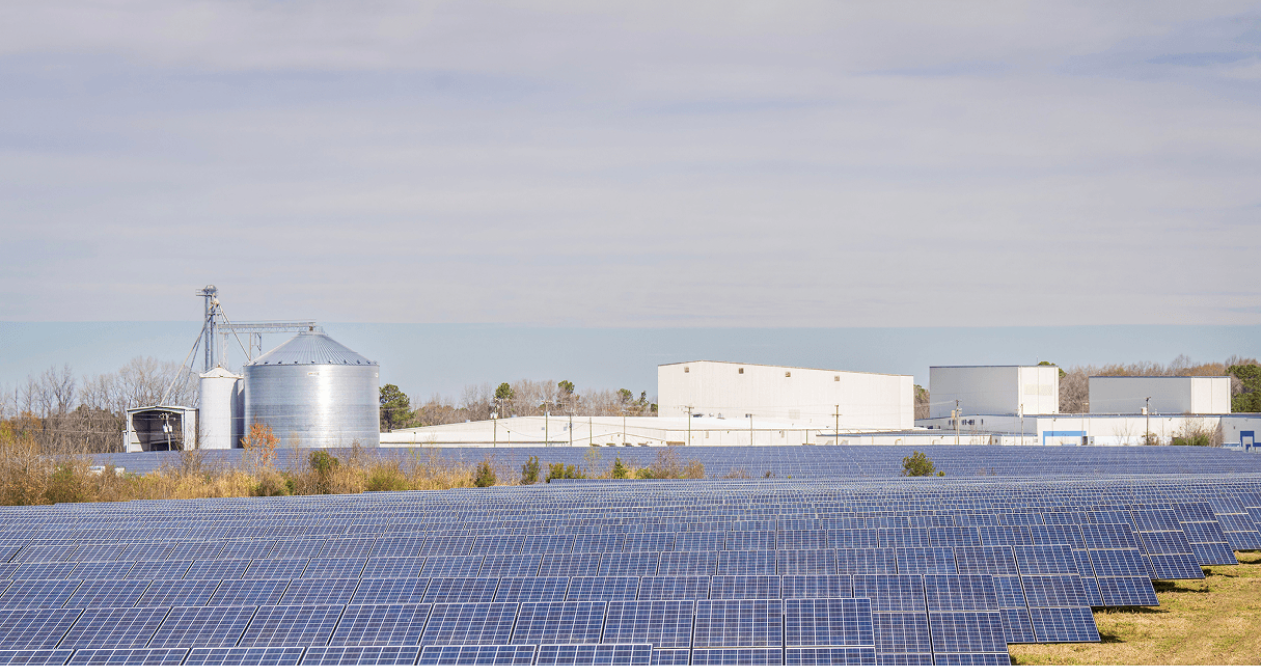
It can. Solar reduces the amount of energy you buy from the grid during sunny hours, but it does not automatically reduce your peak demand, which often happens late afternoon or evening. If your tariff includes demand charges, you still need to manage the time window where demand is measured. The fixed vs variable choice still matters for the energy you import.
What should I ask my retailer or adviser before signing?
Ask what exactly is fixed and for how long, and what items can still change. Ask how demand is calculated, including the time window and interval length, if it applies to your site. Ask about termination fees and any pass-through clauses. Finally, ask for a price comparison based on your last 12 months of usage data.
.png)
.png)


.svg)

