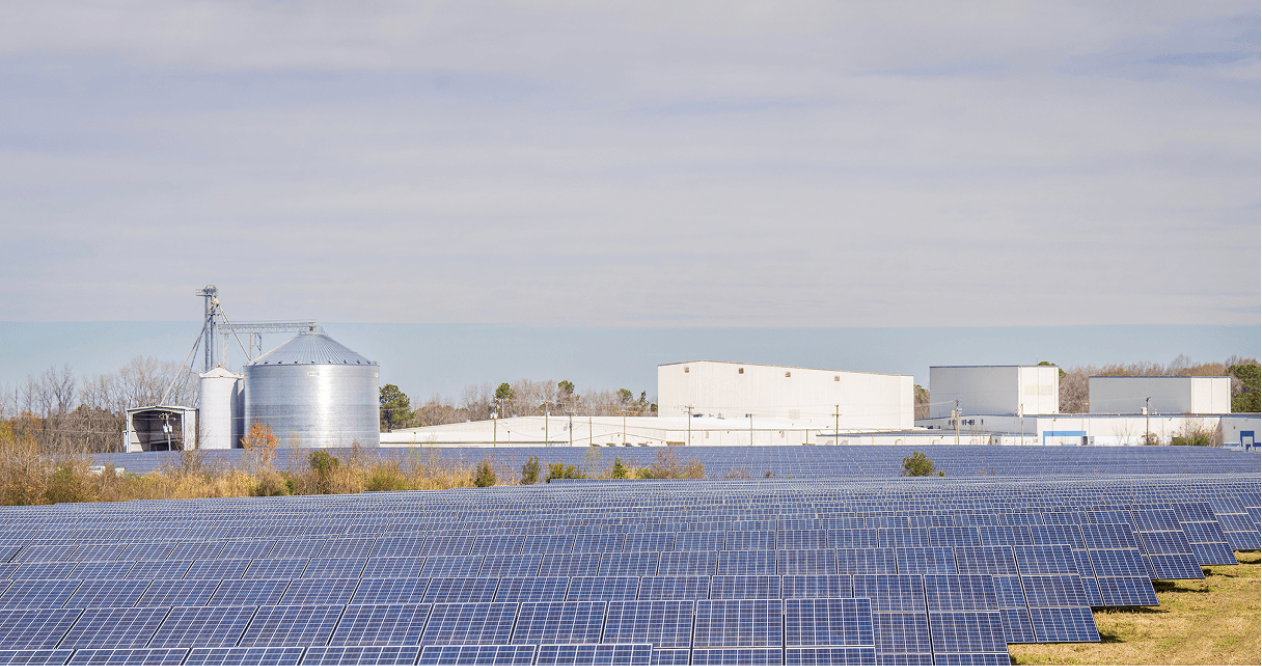
Commercial solar just got cheaper to install. From 1 October 2026, the federal Small-scale Renewable Energy Scheme (SRES) covers solar systems up to 1 MW, 10 times the old 100 kW limit. The government estimates the change cuts the upfront cost of a mid-scale system by around 20%.
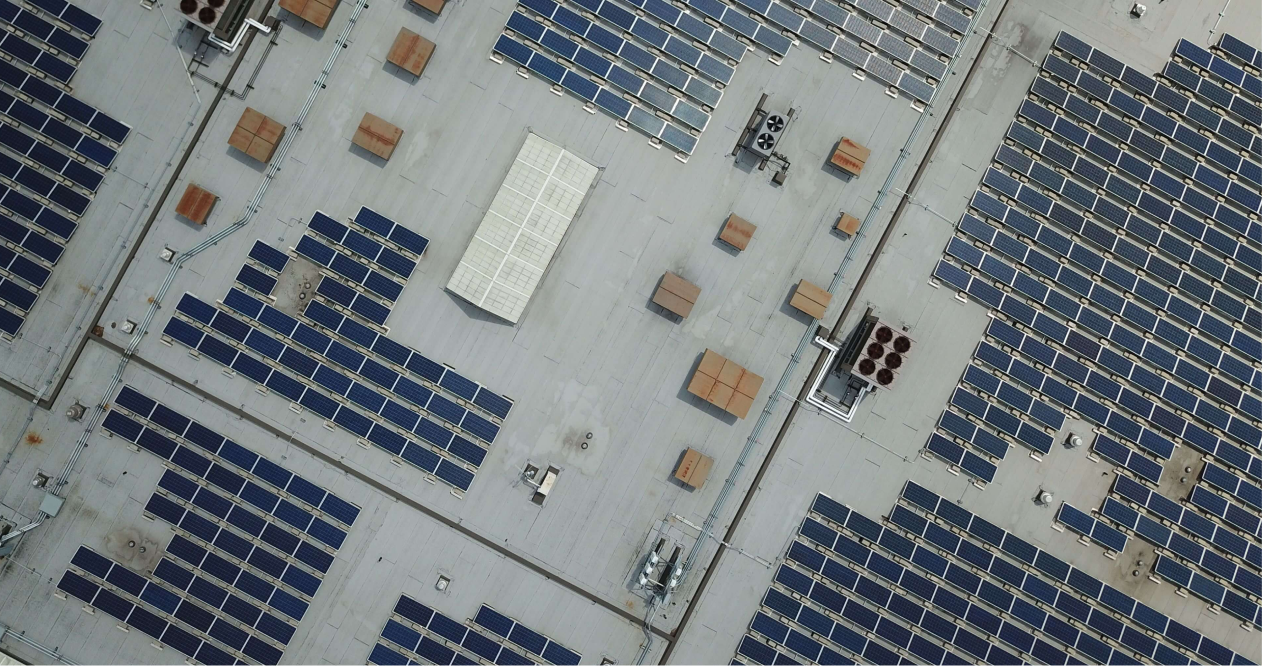
For many warehouses, factories, farms and schools, 100 kW only ever covered a fraction of the roof. The new limit lets you size a system to the space and your power use instead of to the rebate.
The rules are now law, but there is a catch on timing. The Clean Energy Regulator won’t open certificate applications for mid-scale systems until mid to late November, so it pays to know what to ask your installer in the meantime.
Key takeaways
- The SRES limit for solar PV has lifted from 100 kW to 1 MW for systems installed from 1 October 2026, and the regulations are now in force.
- The government estimates the change cuts the upfront cost of a mid-scale system by around 20%. Your own saving depends on system size, location, certificate prices and installer pricing.
- The discount comes as small-scale technology certificates (STCs). Most businesses sign them over to their installer in exchange for a lower price at the start.
- Systems from 100 kW to 1 MW get a fixed five-year deeming period. That means the number of STCs doesn’t step down each year the way it does for smaller systems.
- STC applications for mid-scale systems open in mid to late November 2026. Ask your installer how they are handling the gap.
- You can claim STCs or create Renewable Electricity Guarantee of Origin (REGO) certificates for a system, but not both over the deeming period.
What has changed in the SRES?
The SRES has run since 2011 and is best known for the discount it gives households on rooftop solar. Until now, only systems up to 100 kW qualified. Energy Minister Chris Bowen announced on 5 August 2026 that the limit would rise to 1 MW, and the Clean Energy Regulator confirms the regulations have now been amended to make it happen.
The change applies to eligible mid-scale systems installed from 1 October 2026. The government has pitched it at businesses, farms and community organisations, the group Bowen called the “missing middle” of rooftop solar.
| What | Detail |
|---|---|
| Scheme | Small-scale Renewable Energy Scheme (SRES), running since 2011 |
| What changed | Eligible solar PV system size lifted from 100 kW to 1 MW |
| Applies to | Mid-scale systems installed from 1 October 2026 |
| Estimated saving | Around 20% off the upfront cost of a mid-scale system (government estimate) |
| How you get it | Small-scale technology certificates (STCs), usually passed on as an upfront discount by your installer |
| STC applications open | Mid to late November 2026 |
| Administered by | Clean Energy Regulator |
- What
- Scheme
- Detail
- Small-scale Renewable Energy Scheme (SRES), running since 2011
- What
- What changed
- Detail
- Eligible solar PV system size lifted from 100 kW to 1 MW
- What
- Applies to
- Detail
- Mid-scale systems installed from 1 October 2026
The government is also preparing a rule change request for the Australian Energy Market Commission, aimed at making it easier for businesses to connect larger solar systems to the network. That isn’t in place yet, but it is worth watching if you plan a larger system.
How does the discount work?
The SRES doesn’t pay you a grant. It gives your system small-scale technology certificates (STCs), and each STC is worth one megawatt hour of renewable electricity your system is expected to generate. The number you earn depends on where the system is, when it’s installed and how much electricity it should produce over its deeming period, according to the Clean Energy Regulator.
You then have two options. You can create the certificates yourself and sell them through the STC Clearing House or the open market. Or you can assign the right to create them to a registered agent, which is usually your installer, and take the value as a lower price upfront. Most businesses take the second route because it takes the paperwork and the certificate market off their plate.
The deeming period is where mid-scale systems get a better deal than smaller ones. For systems up to 100 kW, the period shortens each year until the scheme is due to end in 2030. Systems from 100 kW to 1 MW get a fixed five-year period, so the entitlement doesn’t step down while the scheme runs. Certificate prices still move with the market, so the final discount can too.
One decision to make up front: mid-scale systems can claim STCs or take part in the Renewable Electricity Guarantee of Origin (REGO) scheme. If you apply for STCs, you can’t create REGO certificates for the deeming period. If you want to sell renewable certificates later, talk it through with your installer before you choose.
To qualify, the panels, batteries and inverters need to be on the Clean Energy Council’s approved list, and the installation needs to meet Solar Accreditation Australia’s guidelines.
How much could my business save?
The government’s figure is around 20% off the upfront cost of a mid-scale system. As a round-number example, that would take $80,000 off a $400,000 installation. Treat that as an illustration, not a quote. Your own number will land above or below it.
What moves it:
- System size and location, which set how many certificates you earn
- The market price of STCs when your installer sells them
- Installation costs and the installer’s own charges
- Whether your system and site meet the eligibility rules
Because the savings on your power bill stay the same while the upfront cost falls, payback gets shorter. How much shorter depends on your usage and your tariff, which is why a feasibility study is worth doing before you commit.
The Clean Energy Regulator also has a mid-scale solar STC calculator that estimates how many certificates a system might earn.
Is solar right for my business?
A bigger discount makes solar cheaper, but it doesn’t make it right for every site. Work through these questions before you ask for quotes.
- Have you got the space? Panels need clear access to sunlight. Look at your roof area, and at nearby buildings or trees that could shade it.
- What are your usage patterns? Pull your electricity bills and check your peak and average consumption. Note how your use changes across the day and the year, including seasonal and operational peaks.
- Do you own the building? If you do, the call is yours. If you lease, you’ll need your landlord’s agreement, and you’ll usually want around four years or more left on the lease.
- Can you cover the upfront cost? Even with the discount, a system is a significant outlay. Most installers offer financing, either directly or through specialist providers.
- Is sustainability a priority? Larger projects usually need several stakeholders on board. If your customers or shareholders care about green initiatives, solar can deliver benefits beyond the power bill.
If most of your answers are yes, the next step is a feasibility study that puts real numbers on cost and payback.
Can I combine it with other incentives?
Possibly. Solar batteries earn STCs under the same scheme, and the federal government buys the equivalent number of battery STCs so the cost isn’t passed on to energy retailers or households. Check the current rules on the Department of Climate Change, Energy, the Environment and Water page before you budget around a battery discount.
Some state governments also run their own commercial solar incentives. Whether one applies to you depends on your state and your site, so ask your installer or adviser to check, and confirm in writing how each incentive is being counted in the quote.
How can Zembl help with commercial solar?
Zembl customers can get solar and battery advice through our partner, Solar Choice. Together we can put together a solar feasibility study that shows the upfront investment and when it should pay itself back, using your own business energy data. With the new 1 MW limit, it can also show how large a system your site could support. Get in contact with a Zembl energy expert today to find out whether solar is a good fit for your business.
Frequently asked questions
Who can use the expanded solar rebate?
Businesses, farms and community organisations that install an eligible solar PV system of up to 1 MW. The system needs approved components and an installation that meets Solar Accreditation Australia’s guidelines. It also has to comply with planning, electrical safety and network connection requirements.
Does it cover systems installed before 1 October 2026?
No. The change applies to eligible mid-scale systems installed from 1 October 2026. If your project was already underway before the regulations were made and you’re unsure about eligibility, the Clean Energy Regulator asks you to contact it as early as possible, and no later than one week after mid-scale applications open.
When do I actually get the discount?
If you assign your STCs to your installer, the discount is usually built into the price you pay. The Clean Energy Regulator won’t open applications for mid-scale systems until mid to late November 2026 and will assess them after that, so ask your installer how they plan to handle certificates for a system installed in the meantime.
Can I extend an existing system?
The Clean Energy Regulator says it will publish further guidance on existing systems, extensions and upgrades. Until then, check with your installer before you assume an extension qualifies.
Can I claim STCs and REGO certificates for the same system?
Not over the same deeming period. If you apply for STCs, you can’t create REGO certificates for that period, so decide which scheme suits your plans before you apply.
Is the rebate here to stay?
The fixed five-year deeming period means mid-scale entitlements don’t step down each year. The SRES itself is still scheduled to end in 2030, so the incentive isn’t open-ended.
References
- Clean Energy Regulator. Small-scale technology certificates
- Clean Energy Regulator. Mid-scale solar
- Department of Climate Change, Energy, the Environment and Water (DCCEEW). Expansion of rooftop solar scheme cuts upfront cost for businesses by 20%, media release, 1 October 2026
- Use less
- Pay less
- Save time
- Reduce footprint
Your submission has been received.