

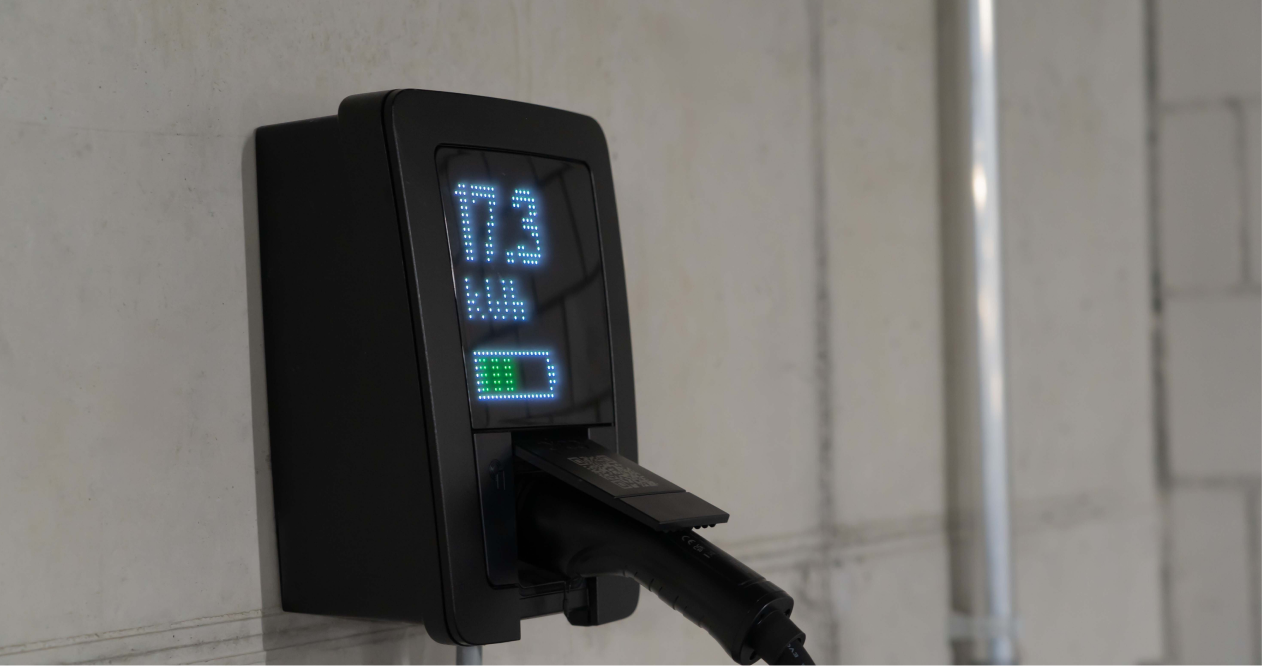

Wholesale electricity prices in the National Electricity Market can swing from negative to well over a hundred times the average within a single day. For businesses running battery storage, that volatility isn't just a market curiosity, it's the entire revenue case.
A real price swing
On 27 November 2025, a hot afternoon, a fast-moving storm front, and a run of generation and network constraints combined to push New South Wales wholesale prices to a peak of $34,532.33 per megawatt-hour, more than a thousand times the typical price. Within about an hour, as the storm cleared and rooftop solar came back online, prices swung to almost negative one dollar per kilowatt-hour. AEMO activated the administered price cap to manage the extreme conditions.
Four things driving this kind of volatility
A fast drop in solar output, in this case from a storm front rather than the usual evening ramp, while demand stayed high. Several dispatchable generators offline or running conservatively. A modest wind contribution during the peak window. Network constraints limiting how much cheaper power could flow in from elsewhere. None of these factors is unusual on its own; it's the combination that produces an extreme price event.
What this means for a battery
Take a one-megawatt, two-megawatt-hour battery, used here as an illustrative example rather than a specific customer's result. Charge it during an earlier negative-price window, say minus forty dollars per megawatt-hour, and the battery doesn't just charge for free, it gets paid to take the power: two megawatt-hours at that price earns around eighty dollars. Discharge that same two megawatt-hours into a price spike like the one on 27 November 2025, at $34,532.33 per megawatt-hour, and that single trade brings in a bit over $69,000. Put the two together and one charge-discharge cycle timed around a single extreme price event can generate close to $69,150.
These events don't happen every day, but they don't need to: a handful of extreme price windows a year, each worth tens of thousands of dollars in the space of a few hours, can carry a large share of a battery's annual return.
Why this isn't a one-off
Rising renewable penetration, coal plants retiring, and a grid that's more weather-dependent than it used to be all point the same way: this kind of volatility is a persistent feature of the market, not a rare event. For large energy users, that's exactly the environment battery storage is built for.
How Zembl can help
Working out whether a battery makes sense on paper is one thing. Working out whether it pays off for your specific site is another, it depends on your load profile, your existing contract, and how exposed your business actually is to these price swings. Zembl's energy experts model that against your real numbers rather than a generic example, so you know what you're looking at before committing to anything.
If you want to know whether a battery stacks up for your site, talk to Zembl's energy experts about a tailored assessment.
.png)
.png)


.svg)

