
Wholesale electricity prices are lower than they were a year ago. That is the good news, and it is real. AEMO’s Quarterly Energy Dynamics report put the NEM average for the September quarter at $63/MWh, down 27% on the same quarter last year.
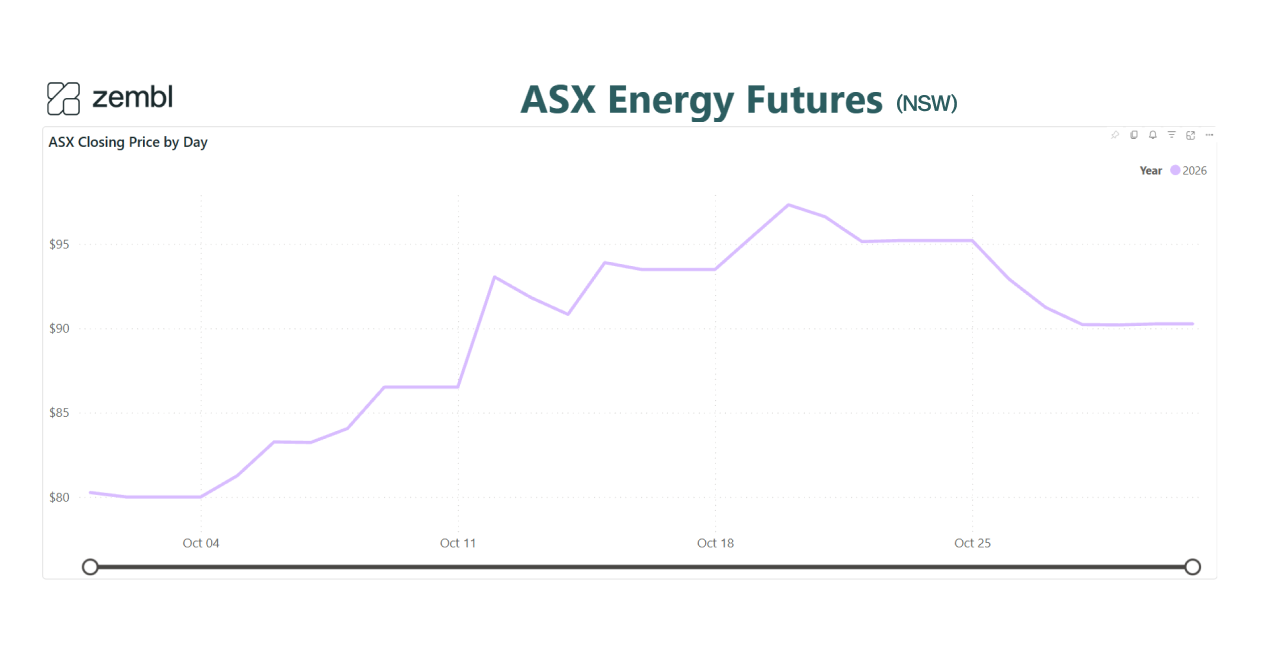
The forward market is telling a different story. In the week to 23 October, ASX futures rose in all four mainland states. NSW 2027 jumped 6.52% in a single week, from $103.20 to $109.93. The price businesses pay for locking in next year’s electricity is climbing back towards where it was 12 months ago.
Three things came together in October: another Snowy 2.0 delay, two cancelled NSW projects, and a reminder of how thin the grid can get when coal units are offline. Here they are in order.
Key takeaways
- Wholesale prices are low: the NEM average for the September quarter was $63/MWh, down 27% on last year. Futures are rising, though, with NSW 2027 up 6.52% in the week to 23 October.
- Snowy 2.0 now costs up to $25bn. First power has moved from late 2027 to early 2029, with full operation later that year.
- Alinta scrapped the 900 MW Oven Mountain pumped hydro project and Origin dropped the 870 MW Skye Ridge wind farm, taking 1,770 MW of planned NSW capacity off the table.
- Yallourn, Gladstone and Eraring, 6,040 MW in total, are due to close across 2028 and 2029. Eraring’s closure date has only ever moved later.
- On 12 October the NSW spot price hit about $23,000/MWh with four of the state’s 12 coal units out. Grid-scale batteries earned an estimated $5.63m in two hours.
Snowy 2.0 is late again, and much more expensive
On 22 October, Snowy Hydro released its cost review, reported by the ABC. Snowy 2.0 now has a target cost of about $22bn, with up to $25bn once contingency is added. First power has moved to early 2029, with full operation later that year.
The history shows how far it has slipped:
- 2017: announced at $2bn, with power by 2021
- Early 2023: the tunnel boring machine was stuck for 11 months
- August 2023: reset to $12bn, first power in late 2027 and full operation in December 2028
- June 2026: an audit found “significant deficiencies”
- October 2026: up to $25bn, first power early 2029
That is about 12 times the original budget and eight years behind the original date. Snowy Hydro says about 65% of the machine tunnelling and 90% of the cavern excavation is finished, and blames early design gaps and difficult ground in the national park.
Snowy 2.0 is a 2,200 MW pumped hydro station. It pumps water uphill when power is cheap and releases it when prices spike. Unlike a battery, it can run for days. A study commissioned by Snowy Hydro says it will cut wholesale costs by more than $7bn by 2075. The government says scrapping it would hurt reliability.
For anyone buying electricity in the next few years, the point is simpler. The storage the market expected in 2027 and 2028 won’t be there, and that sits squarely in the contract period most businesses are buying for.
Two more NSW projects gone in a week
In the same week, Alinta scrapped its 900 MW Oven Mountain pumped hydro project in NSW, citing rising costs and transmission delays. Origin dropped the 870 MW Skye Ridge wind farm in the New England region, blaming a significant increase in costs.
Together that is 1,770 MW of planned capacity that no longer has a path to being built. They follow offshore wind developers withdrawing from the Hunter and Illawarra, and delays across the NSW renewable energy zones. The pattern is the same each time. Construction costs are up, and transmission isn’t arriving when projects need it. HumeLink, the transmission line that Snowy 2.0 depends on, now carries a $4.89bn price tag and a late 2027 target.
The coal closures that are locked in
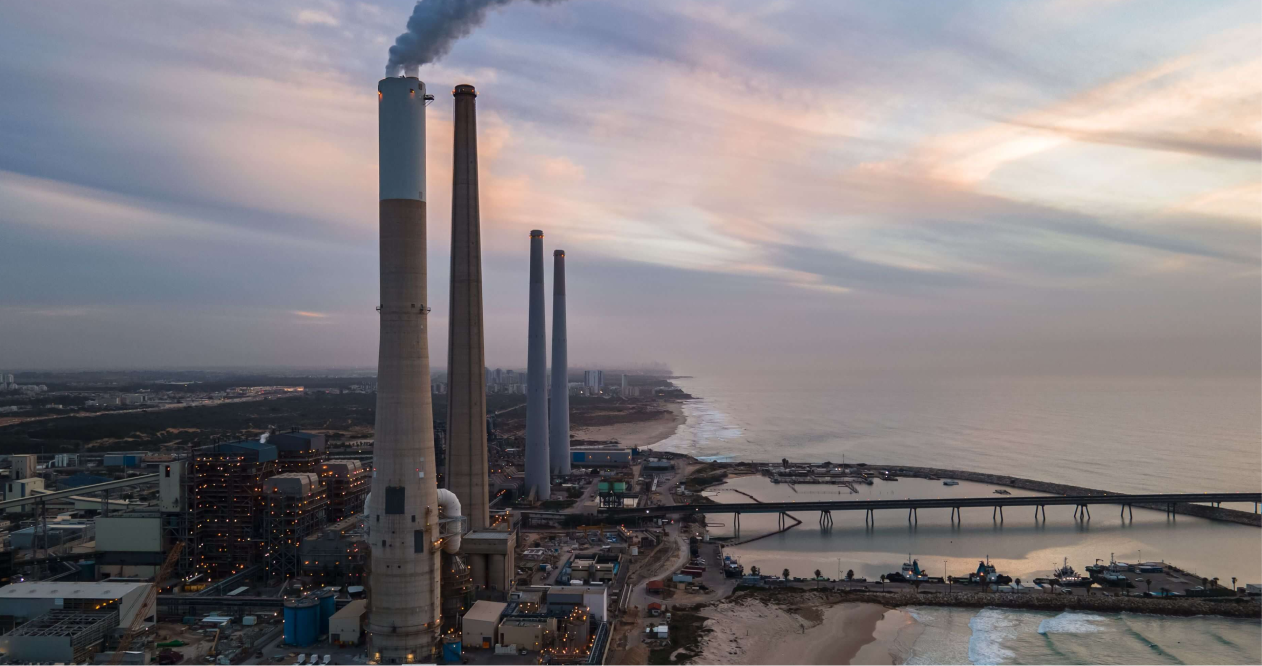
The coal fleet is ageing, and the closure dates are not moving much. This is the announced list:
Yallourn, Gladstone and Eraring leave within about 10 months of each other. That is 6,040 MW out of roughly 21,255 MW of coal in the NEM, or 28% of the fleet, gone across 2028 and 2029.
Eraring is the one to watch. Origin’s original closure date was August 2025. It was pushed to August 2027 under a 2024 deal with the NSW Government, then to April 2029 in January this year. Dates move, and they have only moved later when replacements aren’t ready. The October Snowy news makes another extension more likely, not less.
AEMO’s 2026 Electricity Statement of Opportunities does not show a reliability shortfall before 2030, with about 15 GW of retirements set against a pipeline of about 40 GW of new projects. The catch is that a pipeline isn’t capacity. Only 9.1 GW has actually been commissioned, and October showed how quickly projects drop out of it.
What a bad day looks like: 12 October
On 12 October the NSW spot price hit about $23,000/MWh, close to the market price cap of $23,200. Sydney reached 34.7°C, more than 12 degrees above the long-term October average. Four of NSW’s 12 coal units were out and two were running at reduced capacity. AEMO reported about 2,400 MW of coal capacity unavailable while demand rose by almost 2,000 MW within an hour. Interconnector flows between states were also restricted by outages and maintenance.
Spring is when coal plants do their scheduled maintenance after winter, so some of this was predictable. The forecast also expected high prices to arrive later in the evening, and the coal units weren’t ready when they came earlier.
Batteries did the work that day. Modo Energy estimated that grid-scale batteries in NSW earned about $5.63m in two hours, and Amber Electric said 30,000 of its NSW customers earned $2m in the same window.
That event is a preview of what 2028 and 2029 could look like when much more coal is gone and Snowy 2.0 hasn’t arrived.
What Zembl saw
The spike didn’t stay in the spot market. When futures jump and the wholesale price hits a cap, retailers reprice, offers get pulled and quotes prices are increased.
Even so, the offers we are seeing are still much lower than they were at this time in previous years. Spot prices are down 27% on last year, and that is flowing through to the rates retailers are quoting, even after the repricing.
What is pushing prices down
The supply news is mostly bad, yet wholesale prices today are still well below where they were a year ago. Three things explain why.
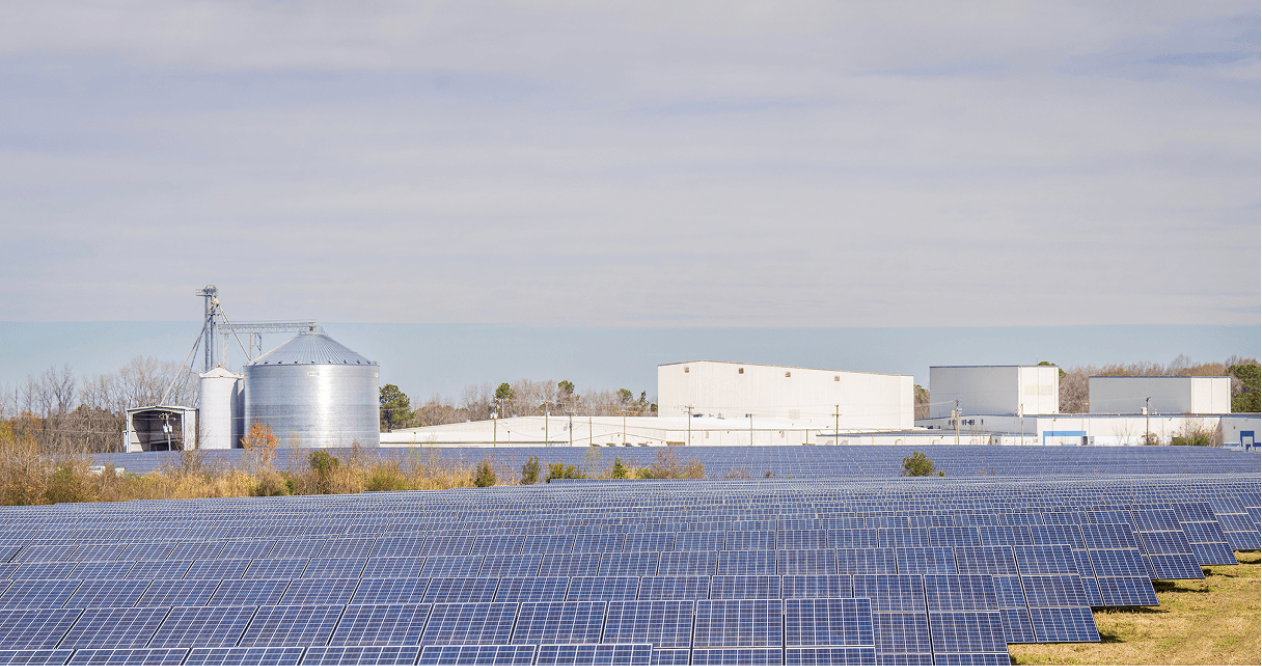
Start with solar and wind. Renewable generation set a record of 26,146 MW on 19 September, and renewables supplied more than 80% of grid demand for the first time this spring. When that much generation is available in the middle of the day, wholesale prices fall towards zero and sometimes below. That is why spot prices fell in every NEM region in September, helped by strong spring solar, lower demand and unusually warm, dry weather. It is also why the quarterly average is down 27% on last year.
Batteries are the second shift, and they are changing the shape of the day. They soak up cheap midday power and release it into the evening peak, which used to be the most expensive part of the day. As more battery capacity connects, the evening spikes get smaller and shorter. The 12 October event is the proof. The price still hit $23,000/MWh when coal let the grid down, but batteries were already earning from it and keeping the event to about two hours.
Then there is the pipeline of projects that is still going ahead. The cancellations get the headlines, but AEMO’s outlook counts about 40 GW of new capacity in development, and 9.1 GW has already been commissioned. Every megawatt that does reach the grid pushes against the closures, and the reliability outlook shows no shortfall before 2030.
The risk sits in the forward market. Futures price the dry, hot, tight days, and a strengthening El Niño makes those more likely this summer. Underlying demand is also up 1.3% year on year, led by Victoria. So the downward pressure explains where prices are today, while the upward pressure explains where contract prices are heading.
How Zembl can help
Most businesses only look at their energy contract when it is close to ending, and by then the market has often moved. With futures rising and 28% of the coal fleet due to close across 2028 and 2029, the timing and structure of your next contract matters more than it did a year ago. At Zembl, we track the futures market every week, so we can tell you whether your contract end date sits before or after the next move. For large businesses, we manage the tender process on your behalf, taking your load profile to market and negotiating competitive, tailored terms so you aren’t left comparing rates yourself. For small businesses, we can compare your bill and switch you in one call. If your site suits it, we can also talk through batteries and solar, which are the technologies that earned the most on 12 October. Get in contact with a Zembl energy expert today to find out where your contract sits against the market.